

Common Garage Door Panel Damage We See in Denver Homes
Most homeowners think garage doors are just about opening and closing. Up, down, done. But Denver's climate sees more than that — and if you don't, you're asking for repairs. Panels may not fail overnight, but they do take a beating from weather, impact, and time. Especially if you're ignoring the warning signs or skipping basic upkeep.
So here's the reality. If you're living in a city with wild temperature swings and hailstorms that come out of nowhere, your garage door isn't just sitting there looking pretty. Every dent should get attention. Every crack needs evaluation. And every maintenance decision should be grounded in how the door is holding up — not just how it looked when you moved in.
Dents From Everything That Moves
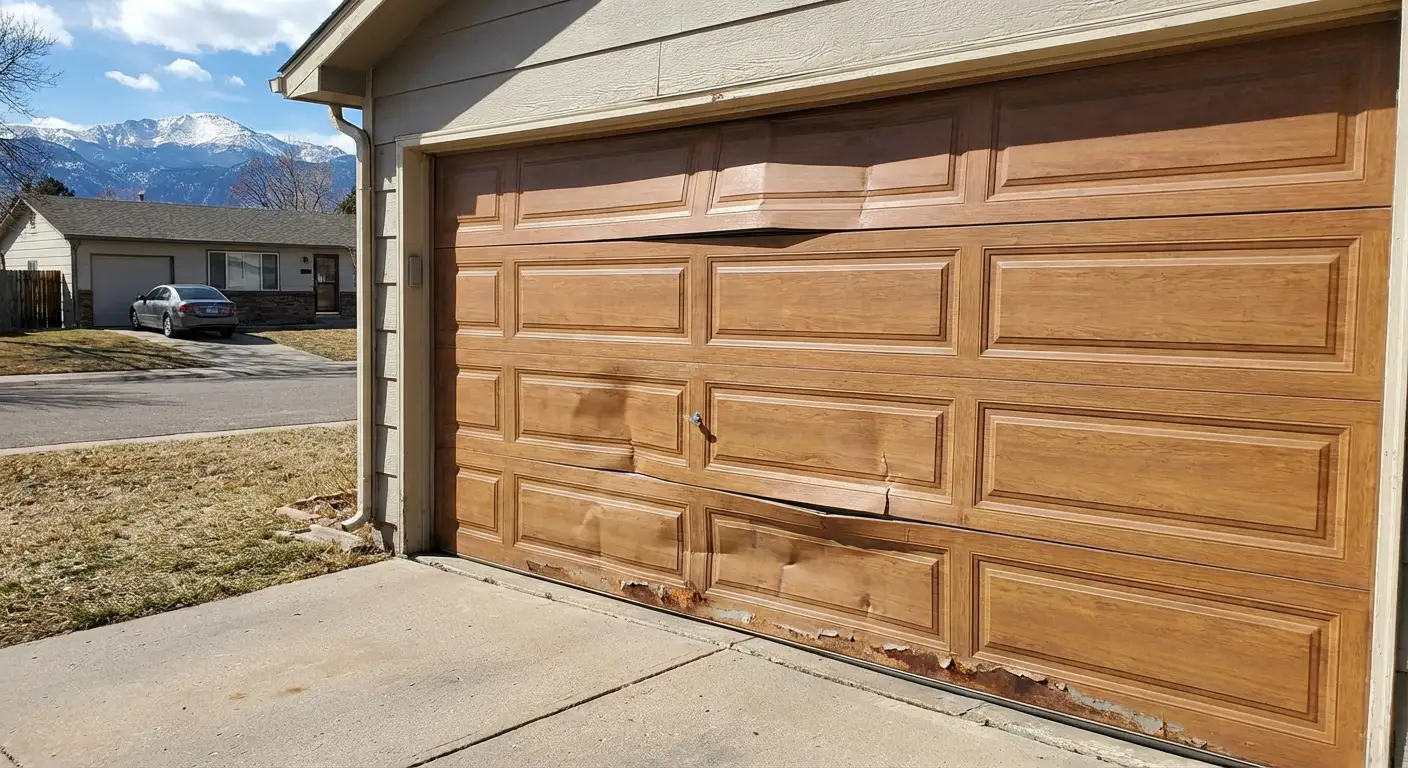
We see impact damage constantly. Kids playing street hockey, a car door swung open too fast, a bike that didn't quite stop in time — it all adds up. Denver neighborhoods are active, and garage doors sit right in the line of fire. A small dent might seem harmless, but it can throw off the door's balance and put stress on the opener.
Larger impacts do more than cosmetic harm. They can bend the tracks, misalign the panels, or crack the material entirely. And once the door stops moving smoothly, you're looking at mechanical issues that cost more than the original ding. Professional garage door repair in Denver can address these issues before they escalate into full system failures.
Temperature Swings Warp and Split Panels
Denver weather doesn't play fair. You get scorching summers and freezing winters, sometimes in the same week. That constant expansion and contraction puts serious strain on garage door panels, especially wood and composite materials. Warping is common. So is splitting along seams or edges.
When panels warp, they don't seal right. You get gaps that let in cold air, moisture, and pests. Cracked panels lose structural integrity and can fail under the weight of the door itself. If you're seeing visible bowing or separation, it's not going to fix itself. Replace the panel before the whole door needs work.
Rust Eats Through Metal Faster Than You Think
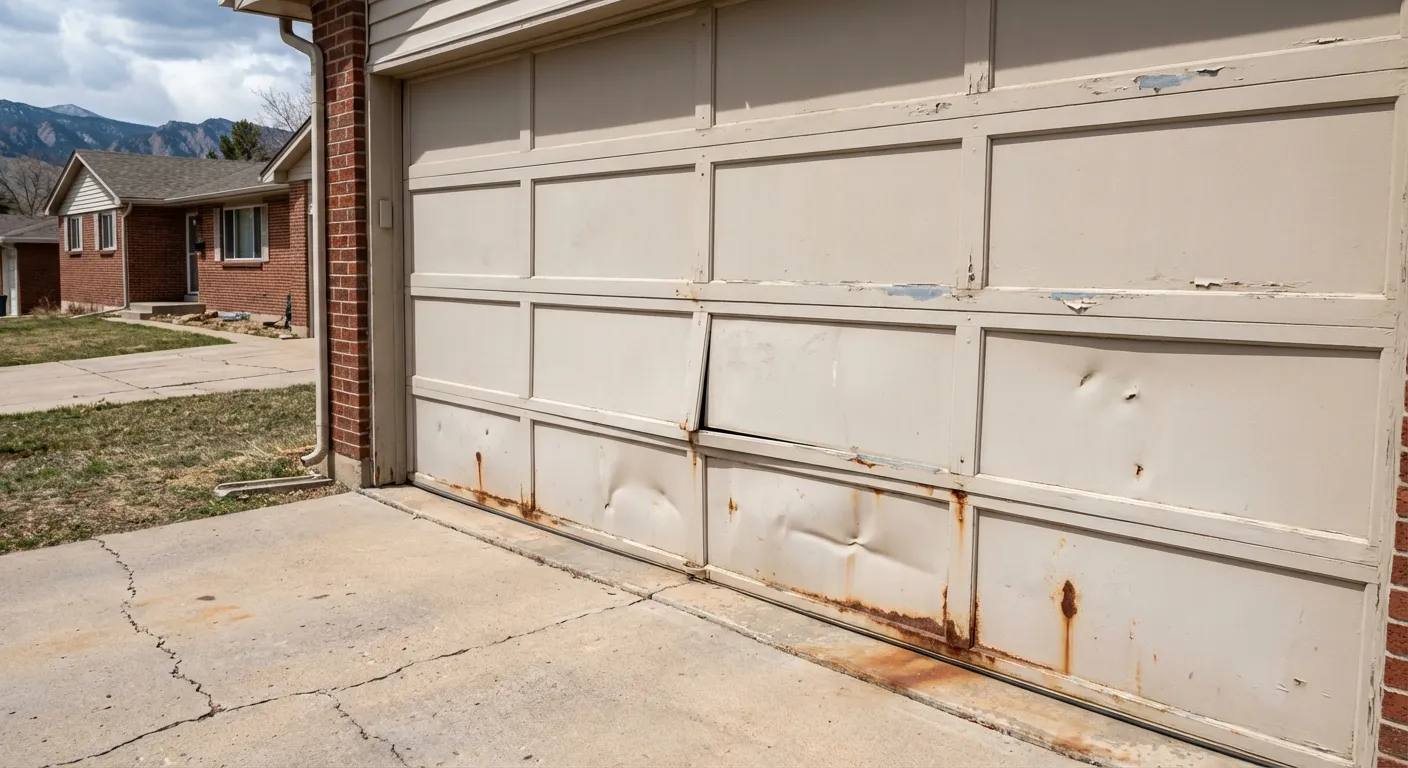
Metal doors are tough, but they're not invincible. Snow, rain, and road salt all contribute to rust, especially once the protective coating wears thin. We see it most often along the bottom panels where moisture pools, but it can spread anywhere the finish has chipped or scratched.
Rust isn't just ugly. It weakens the metal and creates holes that compromise security and insulation. Catching it early means you can sand, treat, and repaint. Ignoring it means you're replacing panels — or the entire door if it's gone too far.
Layers That Come Apart
Modern garage doors are built with multiple layers for insulation and strength. But over time, those layers can separate. It's called delamination, and it's more common in older doors or ones that have been exposed to extreme weather without proper care. Once the bond breaks down, the panel loses its insulating value and becomes structurally weak.
Delaminated panels look puffy or bubbled. They may also feel soft to the touch. If you're seeing this, the panel is compromised. It won't hold up under normal use, and it's only a matter of time before it fails completely. Replacement is the only real fix.
Sun Damage Strips the Finish
Colorado sun is relentless. UV rays fade paint, cause peeling, and break down protective coatings faster than most homeowners expect. We see this on every type of door material, but it's especially bad on painted wood and steel. Once the finish is gone, the underlying material is exposed to moisture, which accelerates rot, rust, and further deterioration.
Repainting or refinishing your door isn't just about looks. It's about protection. A fresh coat of quality paint or sealant can add years to your door's lifespan. Skip it, and you're inviting bigger problems down the line.
Panels That Break or Fall Out
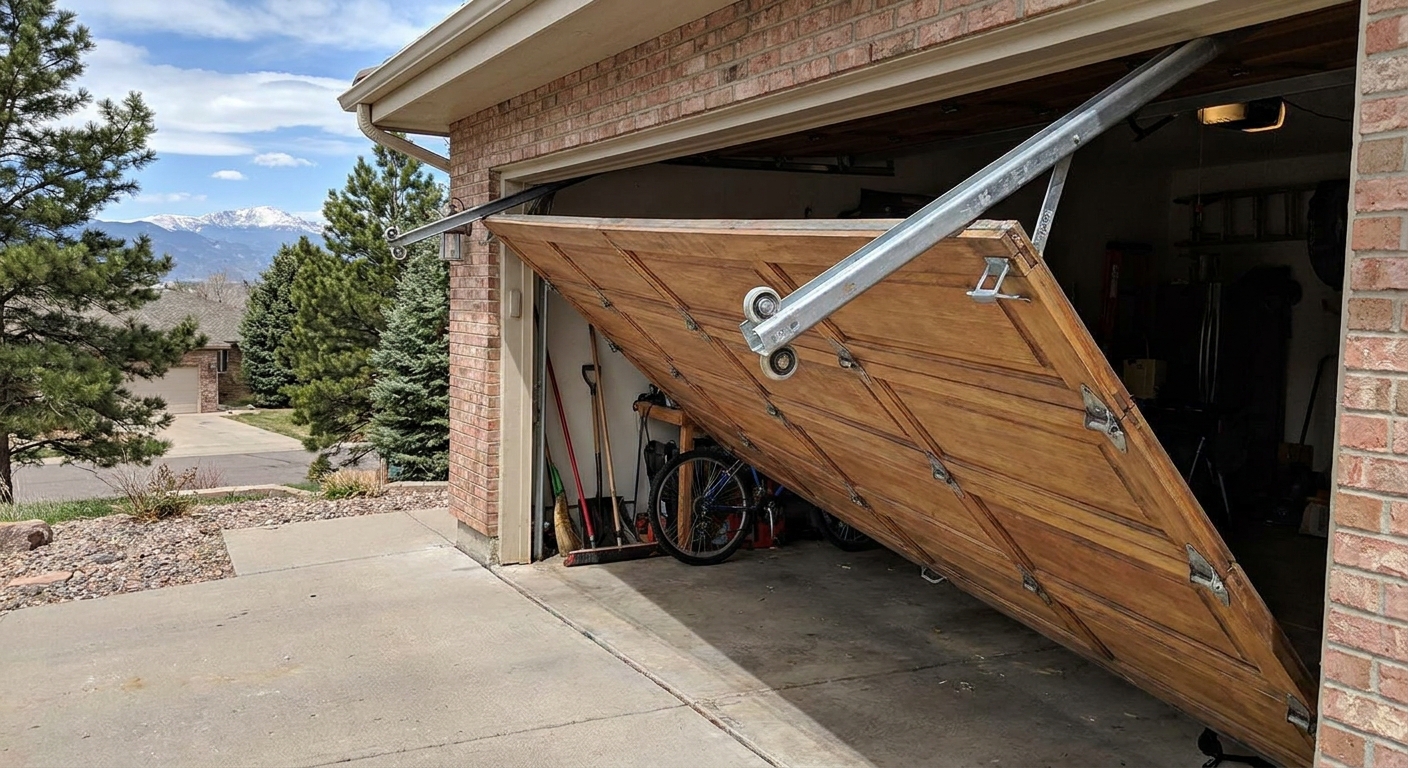
Sometimes damage goes beyond repair. Severe impacts, long-term neglect, or repeated exposure to harsh conditions can cause panels to break entirely or even fall out of the door frame. This is a security risk, a safety hazard, and an open invitation for water and pests to get into your garage.
Broken panels need immediate replacement. There's no workaround. If the panel is missing or shattered, the door isn't doing its job. Get it fixed before the damage spreads to other panels or the door's mechanical components.
What You Can Do About It
Catching damage early is the difference between a quick fix and a full replacement. Walk around your door every few months and look for signs of trouble. Check for dents, cracks, rust spots, peeling paint, or anything that looks off. If you see it, address it.
Here's what to watch for:
- Visible dents or impact marks on any panel
- Warping, bowing, or gaps between panels
- Rust or corrosion, especially along the bottom edge
- Peeling, fading, or bubbling paint
- Soft spots or separation in layered panels
When to Call Someone In
Minor cosmetic issues might be DIY territory, but structural damage isn't. If panels are warped, delaminated, or broken, you need a professional to assess whether repair or replacement is the right move. Trying to force a damaged door to work can damage the opener, tracks, and springs — turning a panel problem into a full system failure.
A garage door pro can also spot issues you might miss. They'll check alignment, balance, and hardware to make sure the door is safe and functional. If replacement is needed, they'll match the panel to your existing door so it looks seamless. Homeowners seeking garage door services should work with experienced professionals who understand local climate challenges.
Maintenance Keeps Panels Intact
You can't control Denver weather, but you can control how your door holds up against it. Regular maintenance makes a difference. Clean the panels a few times a year to remove dirt, salt, and debris. Inspect the finish and touch up paint or sealant as needed. Lubricate moving parts to reduce strain on the door. Following regular garage door maintenance practices can prevent many common panel issues.
Here's a simple maintenance checklist:
- Wash panels with mild soap and water
- Check for rust, cracks, or peeling paint
- Touch up any damaged finish immediately
- Lubricate hinges, rollers, and tracks
- Test the door's balance and alignment
Material Matters More Than You Think
Not all garage doors handle Denver's climate the same way. Steel doors are durable but prone to rust. Wood doors look great but require more upkeep to prevent warping and rot. Composite and vinyl options resist weather damage but can crack under impact. If you're replacing panels or considering a new door, think about what your home actually needs. Exploring different garage door materials can help you make an informed decision.
Here's how common materials stack up:
- Steel: Strong and low-maintenance, but watch for rust
- Wood: Beautiful but needs regular sealing and painting
- Composite: Weather-resistant and stable, but can be pricey
- Vinyl: Lightweight and rust-proof, but less impact-resistant
- Aluminum: Lightweight and rust-resistant, but dents easily
Don't Wait for the Door to Fail
Garage door damage doesn't get better on its own. A small dent becomes a bent track. A little rust becomes a hole. A warped panel throws off the whole system. The longer you wait, the more expensive the fix becomes — and the higher the chance you'll need a full replacement instead of a simple repair. Understanding the consequences of ignoring garage door repairs can motivate homeowners to act quickly.
Here's what happens when you ignore the signs:
- Minor dents turn into alignment issues
- Surface rust spreads and weakens the panel
- Warped panels create gaps that let in moisture and pests
- Delaminated panels lose insulation and structural strength
- Broken panels compromise security and safety
Your Door Works Harder Than You Realize
Garage doors open and close thousands of times a year. They face hail, wind, sun, snow, and whatever your neighborhood throws at them. Panels take the brunt of that abuse, and they don't last forever. But with attention, maintenance, and quick action when damage shows up, you can keep your door working smoothly for years.
Denver homes need garage doors that can handle the climate and the lifestyle. That means staying ahead of damage, not reacting to it. Inspect regularly. Fix problems early. And don't assume a dent or crack is just cosmetic — it's usually the start of something bigger. When you need professional help, choosing the right Denver garage door company ensures quality repairs and long-term reliability.
Let’s Keep Your Garage Door in Top Shape
We know how much you rely on your garage door to protect your home and keep life running smoothly, no matter what Denver’s weather throws your way. If you’ve spotted any signs of panel damage or just want peace of mind, let’s tackle it together before it turns into a bigger headache. Give us a call at 303-902-8840 to talk with our team, or book an appointment and we’ll make sure your garage door is ready for whatever comes next.
‹ Back
Recent Posts
-
-
-
Why Is Your Garage Door in Dallas-Fort Worth Shaking When It Opens?
September 17, 2026
-
Should You Replace Both Garage Door Springs in Denver at Once?
September 3, 2026
-
Why Does Your Garage Door in Denver Close & Then Reopen?
August 20, 2026