


Should You Replace Both Garage Door Springs in Denver at Once?
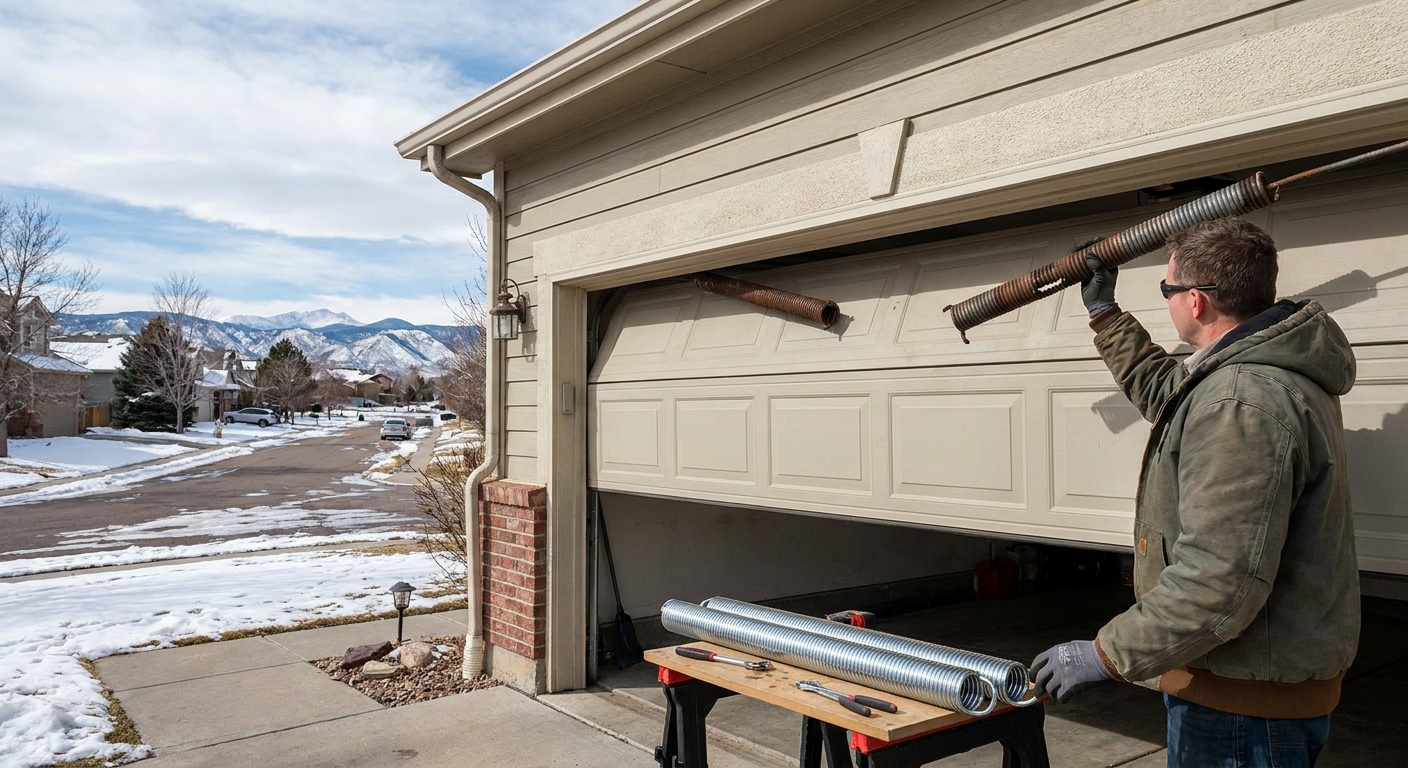
Most homeowners think a broken spring is just one part to swap out. Fix it, move on. But the reality is messier than that — and if you're only replacing what's already snapped, you're setting yourself up for another repair bill in a matter of weeks or months. Springs don't fail in isolation. They wear down together, cycle by cycle, and when one gives out, the other is already on borrowed time.
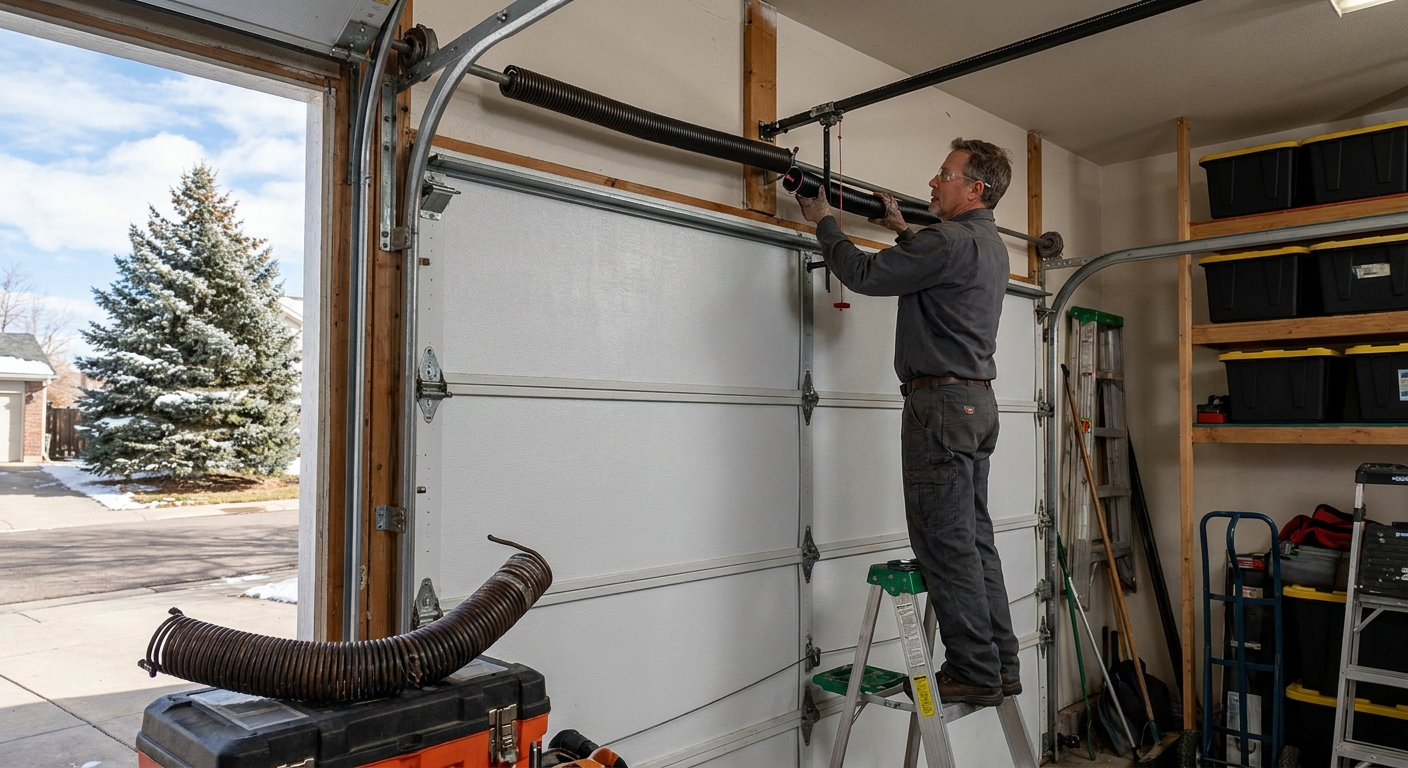
So here's where we stand. If you're dealing with a busted spring in Denver, that's frustrating. But don't treat it like a simple patch job. Every garage door system is built on balance. Every component depends on the others working in sync. And every repair decision should be rooted in what's actually happening under the hood — not just what broke today.
When One Spring Dies, the Other Isn't Far Behind
Most of the time, garage door springs aren't taxable — wait, wrong topic. Most of the time, garage door springs aren't acting alone. You've got two of them working together to carry the weight of your door. They've both logged the same number of open-and-close cycles. They've both been exposed to Denver's temperature swings and dry air. And they've both been under constant tension since the day they were installed.
If one spring fails, that's not random bad luck. It's a sign that both springs have hit their limit. The IRS doesn't care which one broke first — okay, still wrong analogy. The point is, replacing just the broken spring leaves you with one fresh coil paired with one exhausted one. That's not a matched set. That's a ticking clock.
What You Can Actually Gain from Replacing Both
You can't write off the spring itself — that's just hardware. But the labor, the service call, the future headaches you avoid? Those add up in ways most people don't see coming.
Here's what replacing both springs gets you:
- Matched tension and strength: New springs work together. Mismatched springs pull unevenly, which throws off the door's balance and wears out your opener faster.
- Fewer service calls: If you only replace one spring, the other will likely snap within months. That's another trip charge, another repair window, another disruption.
- Consistent performance: A balanced door opens smoothly, closes safely, and doesn't strain the motor or tracks. You'll notice the difference immediately.
- Peace of mind: You're not waiting for the next failure. You're not gambling on how much life is left in the old spring. You're done.
Denver's Climate Doesn't Do Springs Any Favors
Want your springs to last? You'll need more than just good hardware — you'll need to understand what you're up against. Denver's weather is brutal on metal components. Cold mornings make steel brittle. Dry air accelerates rust. And if your garage isn't insulated, those temperature swings hit even harder.
Springs are designed to handle around 10,000 cycles. In Denver, they often fail sooner. The metal fatigues faster in extreme cold. Moisture from snow or rain can creep in and corrode the coils. And if you're opening and closing your door multiple times a day, you're burning through those cycles quicker than you think.
The Risks of Running Mismatched Springs
If your garage door has one new spring and one old spring, the IRS won't flag it — but your garage door system will. The tension won't match. The door will tilt. And the opener will work overtime trying to compensate for the imbalance.
Here's what can go wrong:
- Uneven wear on the opener: Motors aren't designed to fight against mismatched springs. Over time, this can shorten the lifespan of your opener or cause it to fail outright.
- Damage to the tracks: When the door tilts, it puts extra pressure on one side of the track. That can bend or warp the rails, leading to more costly repairs.
- Safety hazards: A door that's out of balance can slam shut unexpectedly or fail to stay open. That's a risk to people, pets, and vehicles.
- Premature failure of the new spring: If the old spring is doing less work, the new one carries more of the load. That means it wears out faster than it should.
How to Know If You're in Replacement Territory
Most garage door springs last between seven and ten years, depending on how often you use the door and how well you maintain it. If your springs are approaching that age — or if one has already broken — it's time to have both inspected.
You'll want to check for a few key warning signs:
- Visible wear or gaps: Springs that are stretched, rusted, or showing separation in the coils are on their last legs.
- Door won't open fully: If the opener struggles or the door only lifts partway, the springs may not have enough tension left.
- Loud noises: Grinding, squeaking, or popping sounds can indicate metal fatigue or failing springs.
- Uneven movement: If one side of the door lifts faster than the other, the springs are no longer balanced.
What Your Replacement Should Include
Want to keep your garage door running smoothly? Get the whole picture. You'll need more than just a couple of new springs to lock in long-term performance.
Here's what a solid replacement service covers:
- Both springs replaced, even if only one broke: We've covered why. Don't leave the old one in place.
- Inspection of cables and hardware: Springs aren't the only parts under tension. Cables fray, bearings wear out, and hinges loosen over time.
- Adjustment and balancing: A pro should test the door's balance after installation to make sure it opens and closes evenly.
- Lubrication and cleanup: Fresh springs deserve a clean system. Lubrication reduces friction and extends the life of all moving parts.
Why DIY Is a Bad Bet on This One
If your garage door spring snaps, you might be tempted to save a few bucks and handle it yourself. Don't. These springs are under hundreds of pounds of tension, and they can cause serious injury if mishandled. We've seen enough ER visits and property damage to know that this isn't the place to play contractor.
A qualified technician has the tools, training, and experience to replace springs safely and correctly. They'll also spot other issues you might miss — like worn cables, loose bolts, or a misaligned track — before they turn into bigger problems.
Getting It Right the First Time
Swapping out springs isn't the hard part. Doing it in a way that keeps your door balanced, safe, and reliable — that's where most DIY attempts fall apart. There's no shortcut when the hardware is this critical. But there's also no reason to make the same repair twice when you can get ahead of it now.
We help Denver homeowners tackle these decisions with clarity and confidence. Our team has replaced thousands of garage door springs across the metro area, and we know what it takes to keep systems running strong year after year. For professional garage door services, we're here to help. No guesswork. No repeat trips. Just solid work that lasts.
Let’s Keep Your Garage Door Moving Smoothly
We know how important it is to have a garage door you can count on, especially in Denver’s unpredictable climate. If you’re ready to stop worrying about surprise breakdowns and want the job done right the first time, let’s talk. Give us a call at 303-902-8840 or book an appointment today so we can get your garage door back in top shape without the hassle.
‹ Back
Recent Posts
-
-
-
Why Is Your Garage Door in Dallas-Fort Worth Shaking When It Opens?
September 17, 2026
-
Should You Replace Both Garage Door Springs in Denver at Once?
September 3, 2026
-
Why Does Your Garage Door in Denver Close & Then Reopen?
August 20, 2026