


What Causes a Garage Door in Denver to Open by Itself?
Most homeowners assume garage doors only open when you tell them to. But Denver residents know better. Doors that pop open without warning aren't just annoying—they're a security risk and a sign something's broken. Whether it's a neighbor's remote, a fried circuit, or just bad programming, the cause is usually traceable. You just need to know where to look.
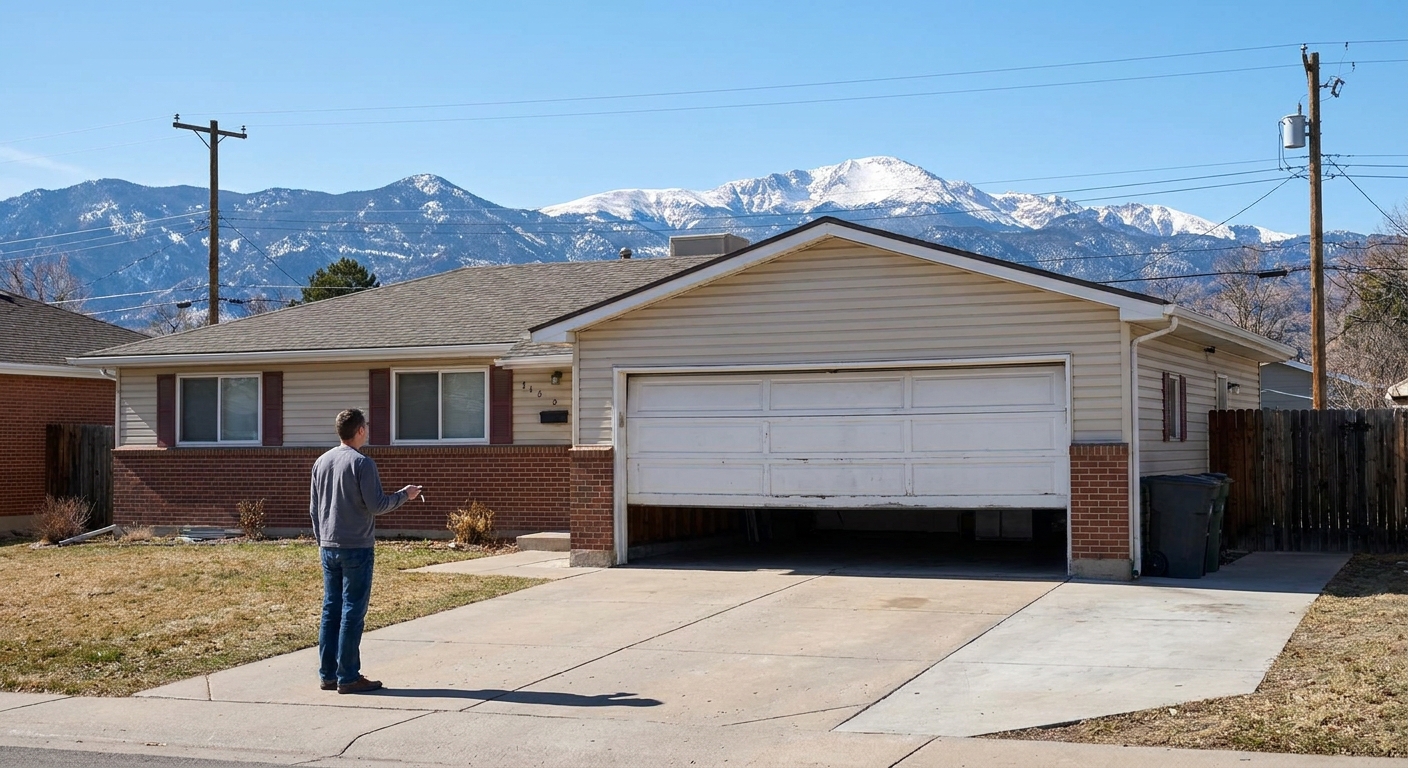
Here's the reality. Garage door openers run on radio frequencies, mechanical triggers, and electrical signals that don't always play nice with each other. Add in Denver's wild temperature swings and proximity to other homes, and you've got a recipe for false triggers. Every unexplained opening has a root cause. And every fix starts with understanding what went wrong in the first place.
Radio Signals Cross Paths More Than You Think
Your garage door opener lives on a specific frequency. So does your neighbor's. And the doorbell down the street. And the baby monitor two houses over. When those signals overlap, your door might respond to someone else's command—especially if you're both running older systems without rolling code technology.
This happens more often in dense neighborhoods where homes share similar setups. If your opener was installed years ago and never upgraded, chances are it's using a fixed code that dozens of other units could match. Modern openers rotate codes with every use, which shuts down most interference. But legacy systems? They're wide open.
- Older openers use fixed-frequency codes that are easy to duplicate or interfere with
- Wireless devices like baby monitors and doorbells can bleed into garage door frequencies
- Dense neighborhoods increase the odds of signal crossover
- Rolling code technology prevents most interference by changing the signal every time
- Upgrading your opener is the most reliable way to eliminate frequency-related triggers
Stuck Buttons and Worn Switches Fail Quietly
Remote controls don't last forever. Neither do wall-mounted switches. Over time, buttons stick, contacts corrode, and internal wiring shorts out. When that happens, your opener might think it's getting a command—even when no one's pressing anything.
Moisture is a big offender here. Denver's dry air doesn't always protect electronics, especially if your garage gets damp during spring storms or if you track in snow. A shorted button can send a continuous or intermittent signal that triggers the door. Pull the batteries from your remotes and disconnect the wall switch. If the door stops opening on its own, you've found your culprit.
- Buttons can stick due to dirt, moisture, or physical wear
- Wall switches may short out from humidity or aging wiring
- Corroded battery contacts can cause erratic signals
- Testing involves removing batteries and disconnecting switches one at a time
- Replacement remotes and switches are inexpensive fixes compared to ignoring the problem
Power Surges Scramble the Brain
Denver weather doesn't mess around. Lightning strikes, power fluctuations, and grid hiccups can fry circuits or scramble your opener's logic board. Even if the unit still functions, a surge can corrupt programming or create phantom signals that trigger the door at random.
Faulty wiring compounds the issue. Loose connections or damaged insulation can cause intermittent shorts that mimic a button press. If your door started acting up after a storm or outage, the electrical system is the first place to investigate. A surge protector won't hurt, but if the damage is already done, you'll need a pro to inspect the board and wiring.
- Lightning and power surges can corrupt opener circuit boards
- Loose or damaged wiring creates intermittent signals
- Storm-related issues often appear immediately after weather events
- Surge protectors can prevent future electrical damage
- Professional inspection is necessary if you suspect internal circuit issues
Safety Sensors Lie When They're Dirty
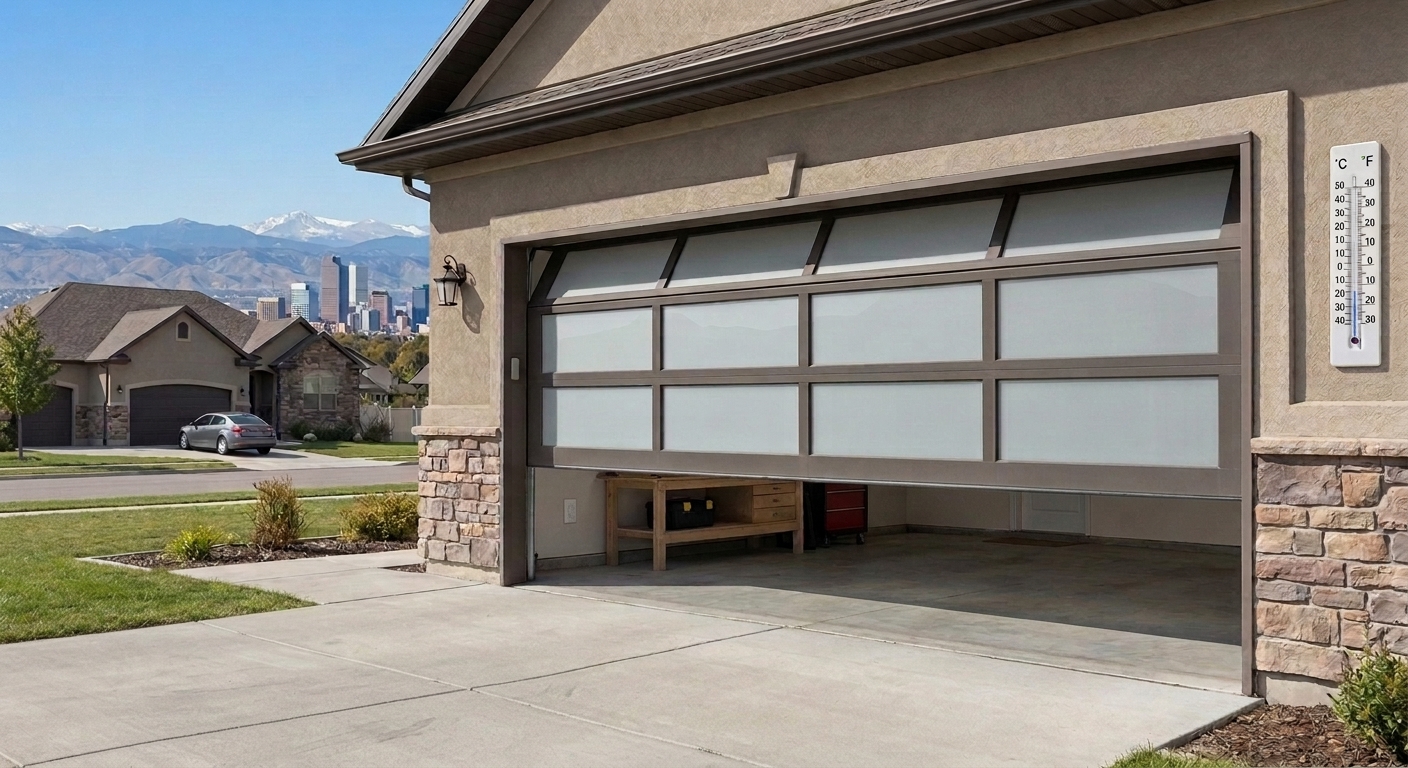
Every modern garage door has sensors that stop the door from crushing whatever's in the way. But when those sensors get misaligned, covered in dust, or knocked out of position, they send bad data to the opener. Sometimes that means the door won't close. Other times, it means the door reverses or opens without reason.
Check the sensor eyes on either side of the door track. If they're not perfectly aligned or if there's dirt blocking the beam, clean them off and realign. Most sensors have an indicator light—if it's blinking or off, that's your signal. A quick wipe and adjustment can solve the problem in under five minutes.
- Sensors stop the door from closing on objects but can malfunction
- Dirt, dust, or spider webs block the sensor beam
- Misalignment causes false signals and erratic behavior
- Indicator lights show whether sensors are functioning correctly
- Regular cleaning and alignment prevent most sensor-related issues
Programming Glitches Pop Up After Resets
Openers rely on programmed codes to recognize remotes and keypads. When the programming gets corrupted—whether from a power outage, accidental button press, or factory reset—the system can behave unpredictably. That includes opening the door without input.
If someone hit the "learn" button on the opener by mistake, it might have wiped the old codes or added a new one you don't know about. Resetting the opener and reprogramming all remotes from scratch usually clears up the confusion. Refer to your owner's manual or call the manufacturer if you're not sure how to do it right.
Temperature Swings Mess With Mechanics
Denver's climate is brutal on garage door hardware. Metal expands in summer heat and contracts in winter cold. That constant movement can throw sensors out of alignment, warp tracks, or stress mechanical components until they fail. Ice buildup on sensors or around the door itself can also trigger false readings.
Weatherproofing helps, but regular garage door maintenance is the real fix. Lubricate moving parts, check sensor alignment after temperature extremes, and inspect the tracks for warping. Small adjustments now prevent bigger headaches later.
Your Garage Door Isn't Haunted
A door that opens by itself feels like a security breach—and it is. But it's not random. It's a technical failure with a fixable cause. Start with the easy stuff: check your remotes, clean the sensors, and look for signs of electrical damage. If the problem persists, bring in a technician who knows garage door services inside and out.
Don't wait until the door opens at 3 a.m. or while you're out of town. The longer you ignore it, the more exposure you're giving thieves or weather. Fix it now, and your garage stays secure. Ignore it, and you're rolling the dice every time you leave the house.
Let’s Secure Your Garage—Together
We know how unsettling it is when your garage door acts up unexpectedly. Let’s put an end to the guesswork and restore your peace of mind. If you’re ready for reliable solutions and expert service, give us a call at 303-902-8840. Or, if you prefer, you can book an appointment and let’s get your garage door working the way it should.
‹ Back
Recent Posts
-
What Causes a Garage Door in Denver to Open by Itself?
October 29, 2026
-
-
-
Why Is Your Garage Door in Dallas-Fort Worth Shaking When It Opens?
September 17, 2026
-
Should You Replace Both Garage Door Springs in Denver at Once?
September 3, 2026