

What Makes Garage Door Cables Snap in Dallas-Fort Worth Homes?
Most homeowners think garage doors are simple. Up, down, repeat. But those cables holding up a 200-pound door? They're working harder than you realize — and if you're not watching them, you're setting yourself up for trouble. Cables don't just snap out of nowhere. They fray, rust, strain, and give out under conditions that could've been caught early. Especially in Dallas-Fort Worth, where heat, humidity, and heavy use stack the deck against your hardware.
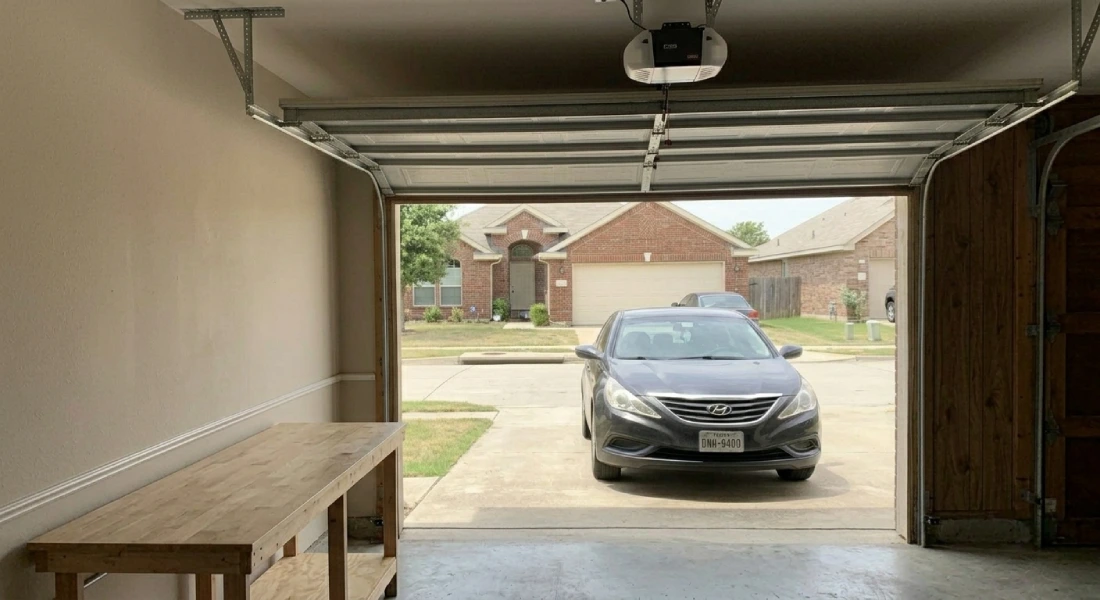
So here's what matters. If you're running that door multiple times a day, those cables are absorbing stress you'll never see. Every cycle adds tension. Every storm adds moisture. And every month without maintenance brings you closer to a cable failure that locks you out — or worse, puts someone at risk. The good news? Most of these problems are preventable. You just need to know what's actually wearing your system down.
The Stress Builds With Every Cycle
Cables aren't designed to last forever. They're metal strands under constant load, lifting and lowering a door that weighs more than most people expect. In North Texas homes, where garage doors get used ten, fifteen, even twenty times a day, that wear compounds fast. The fibers inside the cable start to separate. The outer wrap begins to fray. Eventually, the weakest point gives out.
That's not a defect. That's physics. And if your door is older or heavier than standard, the timeline shortens. We've seen cables snap after just a few years in high-traffic homes. Not because they were bad cables — because they were worked to the limit without anyone checking in. Regular visual inspections go a long way. Look for fraying, kinks, or rust spots before the cable decides it's done.
Skipping Maintenance Is Expensive
Most garage door failures trace back to one thing — nobody looked at it until something broke. Cables need lubrication. They need tension checks. They need someone to wipe off the grime and make sure the hardware isn't binding. When that doesn't happen, friction increases. Dirt builds up. Corrosion takes hold. And suddenly, a $50 service visit turns into a $400 emergency garage door repair.
In Dallas-Fort Worth, where dust and humidity are part of the deal, that neglect shows up faster. Your cables aren't sitting in a clean, climate-controlled lab. They're in a garage that gets hot, damp, and dirty. If you're not maintaining the system twice a year — minimum — you're gambling with a breakdown. And when cables snap, the door doesn't just stop working. It can drop, jam, or damage the opener.
Rust Doesn't Wait for Permission
Metal plus moisture equals rust. It's not complicated. But plenty of homeowners don't realize how quickly that equation plays out in a Texas garage. Summer humidity creeps in. Rainstorms blow through. Condensation forms overnight. All of it eats away at your cables, especially if they're not coated or treated.
Rust weakens the structure from the inside out. You might not see it until the cable is already compromised. By the time there's visible corrosion on the surface, the internal strands may already be brittle. That's when a normal lift becomes the lift that snaps the line. Homes near water or with poor ventilation see this more often. A little preventive spray and a regular wipe-down can stop rust before it starts.
Misalignment Puts Uneven Strain on Everything
Cables don't work alone. They run through pulleys, attach to tracks, and sync with the door's movement. If any part of that system is out of alignment, the cables take on stress they weren't designed for. One side pulls harder than the other. The cable rubs against a bracket. The tension becomes uneven. And eventually, something gives.
Foundation shifts are common in North Texas. Soil moves. Homes settle. Garage door tracks can go out of level without anyone noticing — until the door starts making noise or the cables start fraying in odd spots. If your door isn't lifting evenly or if you hear grinding, that's a red flag. Realigning the tracks takes an hour. Replacing a snapped cable and fixing the damage it caused? That takes a lot more.
When Springs Fail, Cables Pay the Price
Springs do most of the heavy lifting. Cables assist. But when a spring breaks or loses tension, the balance shifts. The cables are forced to carry more weight than they're rated for. That extra load accelerates wear and increases the chance of a sudden snap. It's a chain reaction — and one broken component can take out another in a hurry.
Temperature swings don't help. Springs expand in heat, contract in cold, and eventually fatigue. Dallas-Fort Worth sees both extremes, sometimes in the same week. If your springs are original to the house and you've been there more than five years, they're likely near the end of their lifespan. Replacing them proactively through garage door spring repair keeps your cables from taking the hit when they finally go.
Cheap Cables and Rushed Installs Don't Hold Up
Not all cables are equal. Some are thicker, better coated, and built to last. Others are budget-grade and installed by crews in a hurry. If your home was built during a boom period — or if you hired the lowest bidder for a repair — there's a chance you're working with inferior hardware. Low-quality cables snap sooner. Improper tension settings create weak points. And when the system fails, you're starting from scratch.
It's worth knowing what's on your door. Ask your installer what gauge cable they're using and how it's rated. If they can't answer, that's a problem. Quality components cost a little more upfront, but they save you from repeat failures and the headaches that come with them. In a region where garage doors get heavy use, that investment pays off.
Accidents Happen, and Cables Don't Bounce Back
Sometimes a cable snaps because something hit it. A car backing in too fast. A ladder tipping over. A kid hanging on the door. These aren't common, but they're not rare either. Cables are strong, but they're not indestructible. One solid impact or a sudden jolt can kink the line or knock it off the pulley. Once that happens, the damage is done — even if the cable doesn't snap immediately.
If you know your door took a hit, don't wait to inspect it. Look for bends, slack, or fraying near the attachment points. Test the door manually to see if it's balanced. A damaged cable might hold for a few more cycles, or it might let go the next time you press the button. Better to catch it now than to deal with a dropped door later.
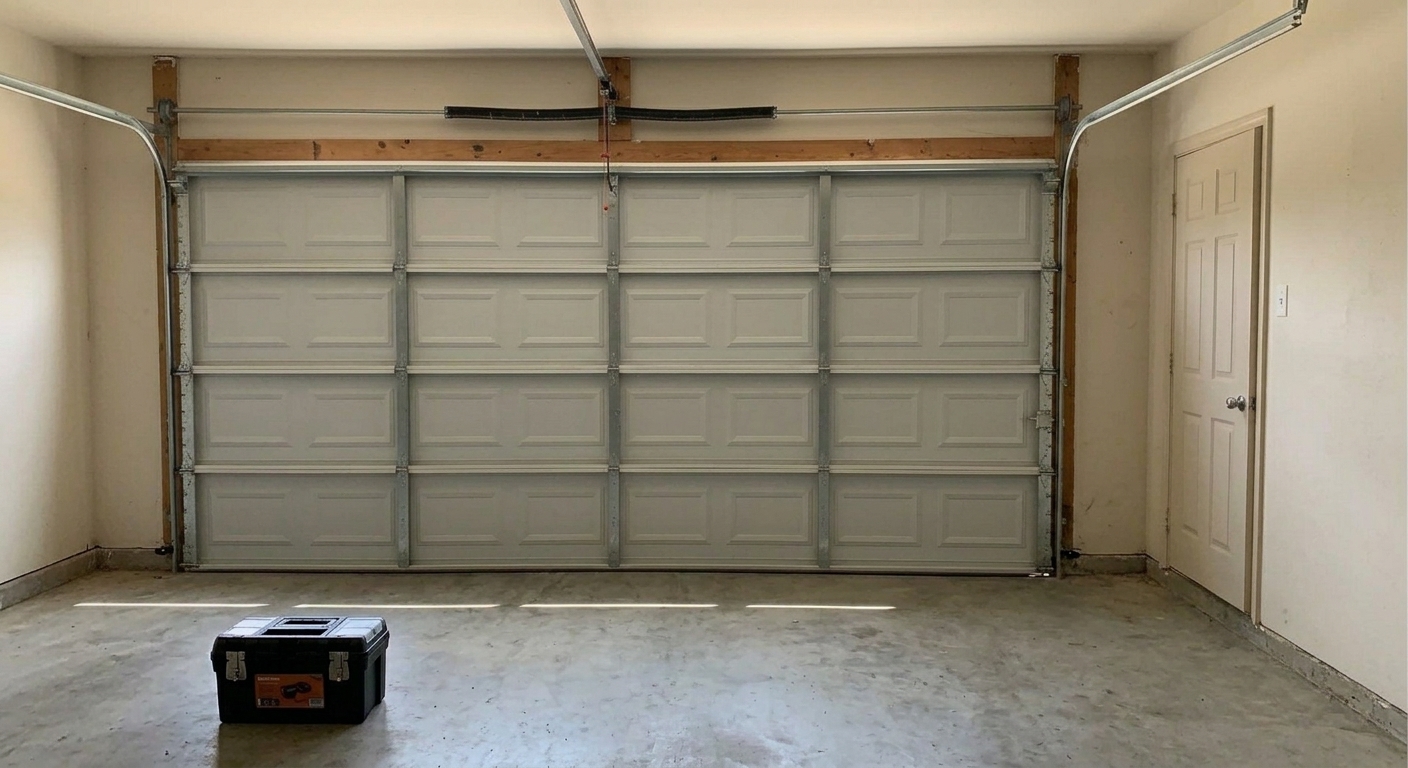
What to Watch For
You don't need to be a technician to spot warning signs. A quick visual check every few months can catch most problems before they become emergencies. Here's what we look for when inspecting cables in North Texas homes:
- Frayed or unwound strands near the attachment points
- Rust or discoloration along the length of the cable
- Slack or uneven tension on either side of the door
- Grinding or scraping noises during operation
- Visible kinks or sharp bends in the cable
If you see any of these, it's time to call in a pro. Cables are under extreme tension and replacing them isn't a DIY project. Trying to save a few bucks by doing it yourself is a fast way to get hurt — or to make the problem worse. A qualified technician can swap out the cables, check the rest of the system, and make sure everything is balanced and safe.
Prevention Costs Less Than Repairs
Replacing a snapped cable isn't just about the part. It's the service call. The labor. The potential damage to the door, the opener, or the tracks. It's the time you're locked out of your garage or stuck with a door that won't close. Add it all up, and a preventable failure costs you more than a year of maintenance ever would.
We recommend scheduling a professional inspection twice a year. Spring and fall are ideal times — right before the seasons that put the most strain on your system. A good technician will lubricate the cables, check the tension, inspect the springs, and adjust the tracks. They'll catch the small stuff before it becomes the big stuff. And they'll give you a realistic timeline for when components need replacing.
How to Keep Cables Working Longer
Want to extend the life of your garage door cables? It's not complicated. Most of it comes down to regular attention and a few smart habits. Here's what actually works:
- Lubricate cables and pulleys every six months with a silicone-based spray
- Wipe down cables to remove dust, dirt, and moisture buildup
- Check for rust and apply a protective coating if needed
- Inspect springs and tracks at the same time you check cables
- Don't overload the door with heavy aftermarket accessories
These steps take fifteen minutes and save you from service calls, downtime, and safety risks. It's boring work. It's also the difference between a system that lasts a decade and one that fails in five years. If you're not comfortable doing it yourself, hire someone who is. The cost is minimal compared to the alternative.
When to Replace Instead of Repair
Sometimes a snapped cable is a sign of a bigger issue. If your door is old, the springs are worn, and the opener is struggling, replacing just the cables might not solve the problem. You could be throwing money at a system that's already on its way out. That's when a full garage door installation makes more sense — and saves you from a cycle of repeated repairs.
A qualified installer can assess the condition of your entire setup and give you an honest answer. If the door itself is warped, the tracks are bent, or the opener is outdated, patching one component won't buy you much time. But if the rest of the system is solid and the cables are the only weak point, a targeted repair gets you back in business fast.
Why It Matters in North Texas
Dallas-Fort Worth isn't easy on garage doors. The heat, the humidity, the storms, the soil movement — all of it adds stress to a system that most people take for granted. Cables snap here more often than in cooler, drier climates. And when they do, it's rarely convenient. You're late for work. You're stuck in the driveway. Or worse, the door comes down on a car or a person.
That's not scare tactics. That's reality. But it's also avoidable. The homeowners who stay on top of maintenance don't deal with these problems. They catch fraying before it snaps. They replace springs before they break. And they keep their garage doors running smoothly without the drama or the danger.
What You Can Control
You can't stop cables from wearing out eventually. But you can control how fast that happens and whether it catches you off guard. Maintenance, quality components, and professional inspections keep your system reliable. Ignoring it until something breaks is a choice — and an expensive one. The tools are available. The knowledge is out there. And the pros are a phone call away.
Garage door cables aren't glamorous. They're not fun to think about. But they're holding up one of the heaviest moving parts of your home. Treat them like it matters, and they'll do their job. Let them slide, and you'll be dealing with a breakdown at the worst possible time. We've seen it happen too many times to count. Don't be the next one.
Let’s Keep Your Garage Door Safe and Reliable
We know how important it is to have a garage door you can count on, especially in Dallas-Fort Worth’s unpredictable climate. If you’ve noticed any warning signs or just want peace of mind, let’s take care of it together before a small issue turns into a big headache. Give us a call at 817-973-5650 or book an appointment and we’ll make sure your garage door cables are ready for whatever comes next.
‹ Back
Recent Posts
-
-
-
Why Is Your Garage Door in Dallas-Fort Worth Shaking When It Opens?
September 17, 2026
-
Should You Replace Both Garage Door Springs in Denver at Once?
September 3, 2026
-
Why Does Your Garage Door in Denver Close & Then Reopen?
August 20, 2026