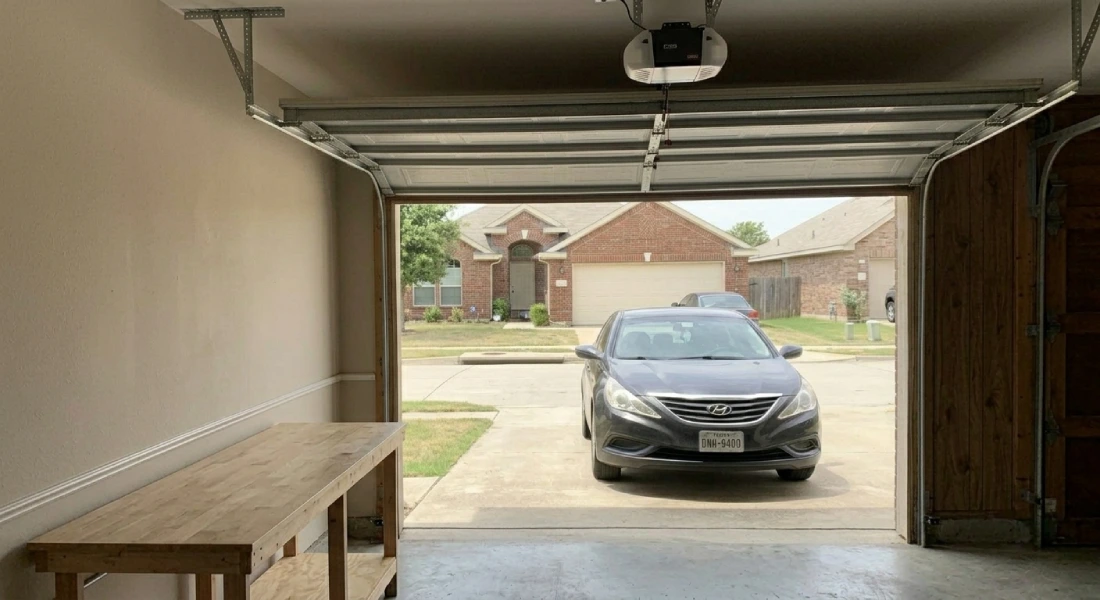


How to Know If Your Garage Door in Dallas-Fort Worth Needs New Rollers
Most homeowners in Dallas-Fort Worth think garage doors are just about convenience. Press a button, it goes up. Press it again, it comes down. But the rollers underneath are doing real work—and when they start to fail, you're not just dealing with noise. You're looking at safety risks, damage to other components, and repairs that could've been avoided. Rollers may seem small, but they carry the weight of your door every single time it moves. And in a climate that swings from hundred-degree heat to sudden storms, those parts wear down faster than you'd expect.
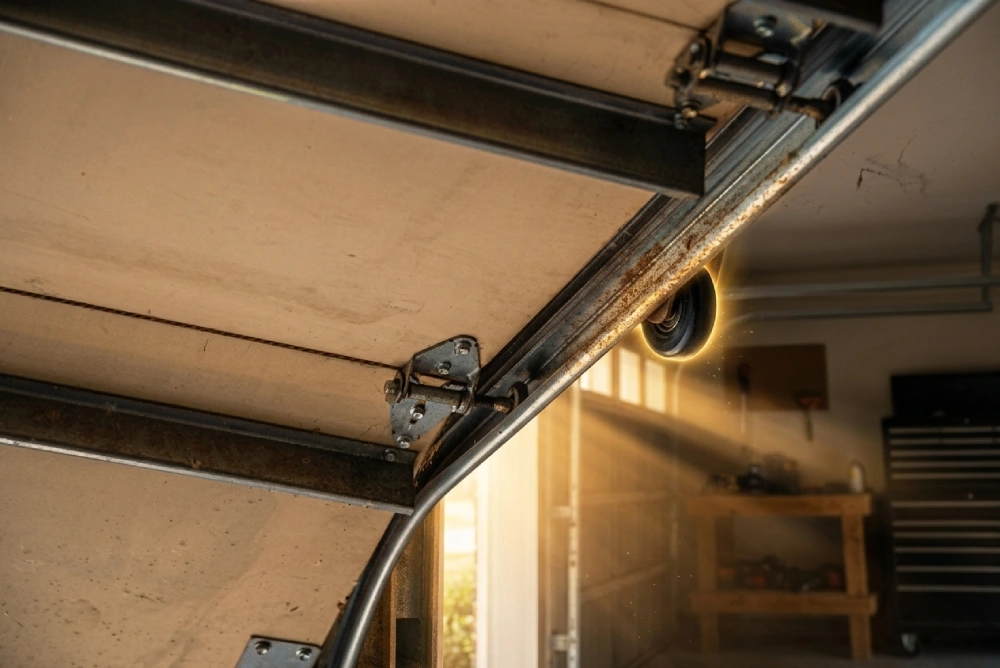
So here's what matters. If your garage door isn't moving the way it should, the rollers are one of the first places we look. Every jerk, every grinding sound, every time the door sticks—it's leaving a trail. And every delay in addressing it just makes the problem worse. The good news? The signs are clear if you know what to watch for.
When Noise Becomes a Red Flag
Garage doors make some sound. That's normal. But when the noise changes—when it gets louder, sharper, or starts grinding like metal on metal—that's your cue. Worn rollers don't glide. They drag. They screech. And the more you ignore it, the more strain you're putting on the opener and the tracks.
We've seen doors in Dallas-Fort Worth go from a little squeaky to completely jammed in a matter of months. Temperature swings dry out lubricants. Humidity speeds up corrosion. And if those rollers are steel without proper maintenance, rust sets in fast. Once that happens, the damage spreads.
Movement That Doesn't Feel Right
A garage door should move smooth and steady. No hesitation. No stuttering. If yours is jerking, pausing mid-cycle, or lifting unevenly, the rollers are likely the culprit. Damaged or misaligned rollers can't support the door properly, and that puts stress on everything—tracks, cables, springs, opener motor.
And here's the thing: uneven movement isn't just annoying. It's dangerous. A door that binds or comes off the track can fall. It can crush property. It can hurt someone. We don't say that to scare you—we say it because we've responded to those calls. And most of them started with a homeowner thinking, "It's fine, it still works."
What Visible Damage Actually Looks Like
You don't need a mechanic's eye to spot worn rollers. Just look. Open your garage door halfway and check the rollers on both sides. What you're looking for:
- Cracks or chips in the roller material
- Flat spots where the wheel should be round
- Rust or corrosion on steel rollers
- Brittle or crumbling nylon on plastic rollers
- Rollers that don't spin freely when you try to turn them by hand
If you see any of that, replacement isn't optional—it's overdue. And if multiple rollers are showing wear, don't just replace one. Do them all. Mixing old and new rollers creates imbalance, and that's just setting yourself up for another round of repairs.
When the Door Stops Listening
Your garage door opener has sensors and safety features built in. If the door reverses for no reason, stops halfway, or refuses to close, it's often because something's blocking smooth movement. Rollers that won't spin or that are popping out of the track will trigger those safety stops.
Some homeowners assume it's the opener. They call a tech, pay for a diagnostic, and find out the motor's fine—it's the rollers causing the issue. Professional door openers are designed to stop when they detect resistance, so addressing roller issues first can save you the extra service call. If your door's acting up and the rollers look rough, start there.
The Risks of Waiting Too Long
We get it. You're busy. The door still opens. Why spend money on something that's "working"? Because what's working now won't be working for long. And when rollers fail completely, they take other parts with them. Here's what we see happen in Dallas-Fort Worth homes that wait too long:
- Bent or damaged tracks from rollers grinding instead of rolling
- Broken springs due to uneven weight distribution
- Burnt-out opener motors from overcompensating for drag
- Cables that snap because the door's moving off-center
- Doors that fall off the track entirely, requiring emergency repairs
Every one of those problems costs more than a roller replacement. And most of them come with safety risks. We're not trying to upsell you—we're trying to keep your door functional and your family safe.
Why Dallas-Fort Worth Weather Accelerates Wear
If you lived somewhere with mild, consistent weather, your rollers might last longer. But North Texas isn't that place. Summer heat dries out grease and warps plastic components. Winter moisture speeds up rust on steel parts. And the constant expansion and contraction from temperature swings? That breaks down materials faster than normal use alone.
Nylon rollers typically last seven to ten years under normal conditions. In Dallas-Fort Worth, you're looking at the lower end of that range—or less if your door gets heavy use. Steel rollers last longer, but only if you're maintaining them. And most homeowners aren't.
DIY Replacement or Call a Pro
Some repairs are fine to handle yourself. Roller replacement isn't one of them. Garage doors are heavy—often over two hundred pounds. They're under spring tension. And if you don't know what you're doing, you can get seriously hurt. We've seen fingers crushed, doors dropped, and springs snap during amateur repairs.
Hiring a professional for garage door repair in Dallas-Fort Worth gets the job done safely and correctly. A good tech will replace the rollers, inspect the tracks, check the balance, and make sure everything's aligned. That's not just about fixing the problem—it's about preventing the next one.
What Proper Maintenance Looks Like
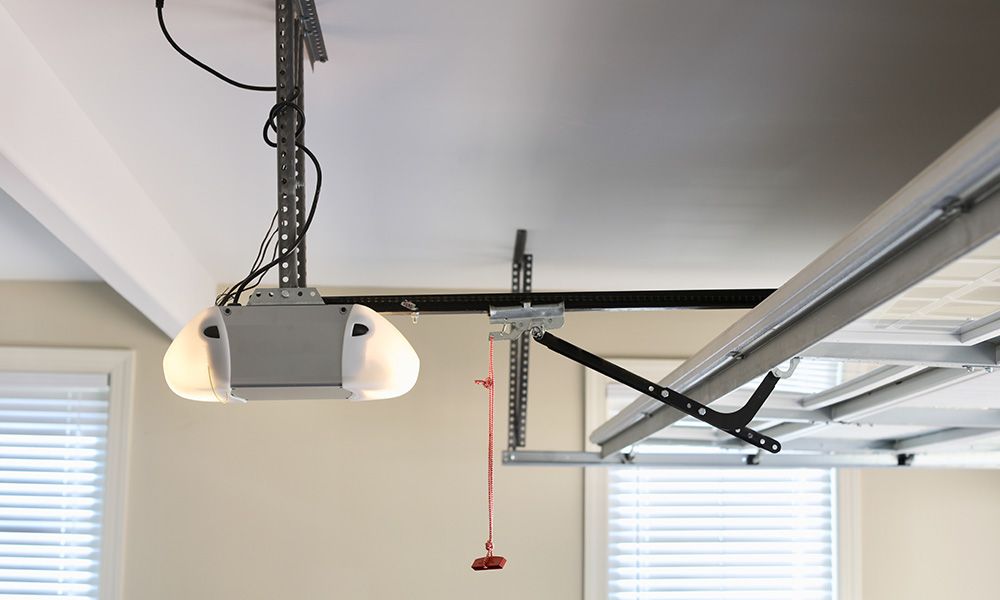
Replacing rollers is reactive. Maintaining them is proactive. If you want to stretch the life of your rollers and avoid early replacement, here's what we recommend:
- Lubricate rollers every six months with a silicone-based spray
- Wipe down tracks to remove dirt and debris
- Inspect rollers visually during routine garage cleanouts
- Listen for changes in sound during operation
- Schedule annual professional inspections to catch issues early
It's not glamorous. But it works. And it's a whole lot cheaper than emergency repairs on a Saturday morning when your door won't close. Regular garage door maintenance can help you identify problems before they escalate into costly repairs.
How Often Should Rollers Be Swapped Out
There's no universal answer, but here's a good rule of thumb. If you're using your garage door as your main entry point—multiple times a day—you're putting more wear on the rollers than someone who uses it once or twice a week. Factor in the Dallas-Fort Worth climate, and you're probably looking at replacement every five to eight years for nylon, longer for steel if maintained.
But don't go by the calendar alone. Go by performance. If the door's loud, jerky, or showing visible wear, it doesn't matter if it's been three years or ten. Replace the rollers.
Rollers Are Small Parts with Big Consequences
Ignoring worn rollers doesn't just make your garage door annoying to use. It makes it unsafe. It damages other components. And it turns a simple, affordable fix into a major headache. We've worked with enough Dallas-Fort Worth homeowners to know that the ones who stay on top of maintenance save money, avoid emergencies, and keep their doors running smooth for years.
If your garage door isn't moving like it should—if it's making noise, jerking, or showing signs of wear—don't wait for it to break. Getting professional garage door services ensures the rollers are checked and replaced if needed. Get back to a door that does what it's supposed to do: open when you want it to, close when you need it to, and stay out of your way the rest of the time.
Let’s Keep Your Garage Door Rolling Smoothly
We know how much you rely on your garage door every day, and keeping it in top shape is what we do best. If you’ve noticed any of the warning signs or just want peace of mind, let’s take care of those rollers before they turn into bigger problems. Give us a call at 817-973-5650 to talk with our team, or book an appointment and we’ll make sure your garage door is ready for whatever North Texas throws its way.
‹ Back
Recent Posts
-
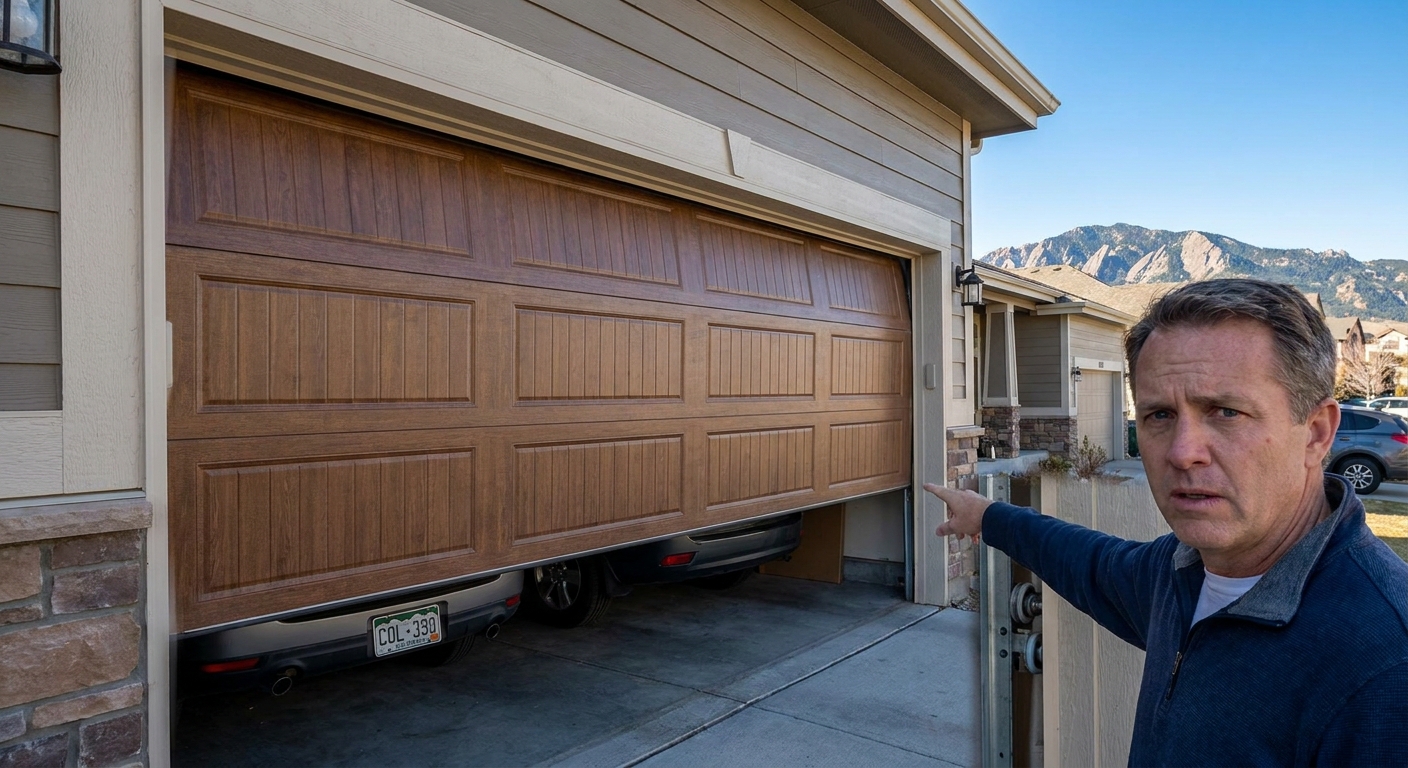
Why Is Your Garage Door in Dallas-Fort Worth Shaking When It Opens?
September 17, 2026
-
Should You Replace Both Garage Door Springs in Denver at Once?
September 3, 2026
-
Why Does Your Garage Door in Denver Close & Then Reopen?
August 20, 2026
-
Can You Open a Garage Door in Denver During a Power Outage?
August 6, 2026
-