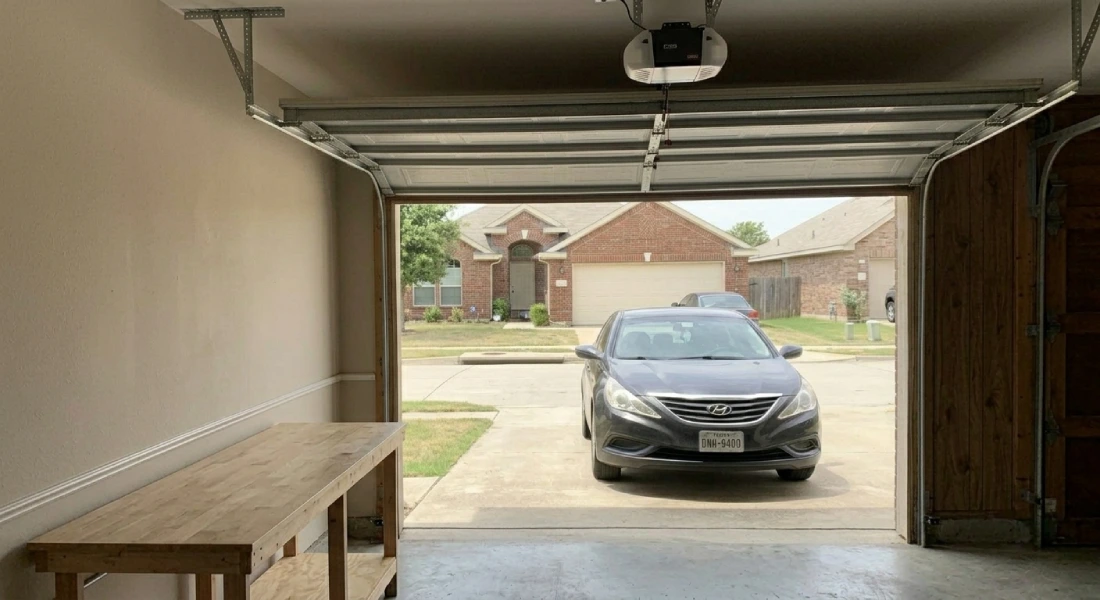


How to Tell If Your Garage Door Track in Denver Is Misaligned
Most homeowners think garage doors are simple. Metal, springs, a motor. But when something goes wrong, the problem isn't always obvious — and if you ignore it, you're asking for more than just an inconvenience. Tracks may seem sturdy, but they take a beating. Especially in Denver, where freeze-thaw cycles and temperature swings put pressure on every metal component. A misaligned track doesn't always announce itself with a dramatic failure. Sometimes it whispers through small symptoms until the door won't budge at all.
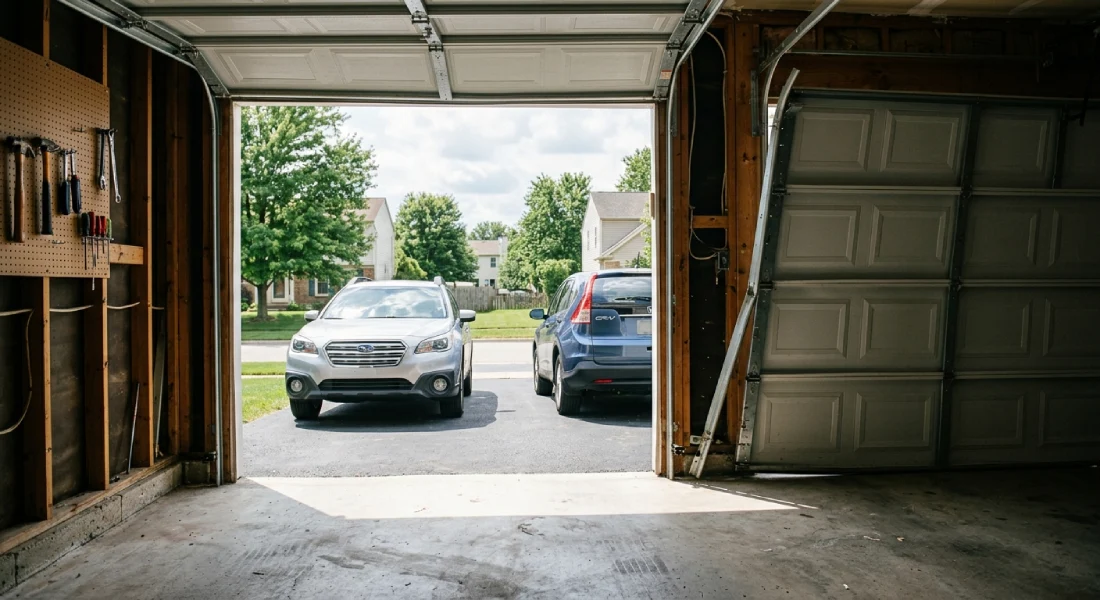
So here's what matters. If your garage door is acting strange, the track is one of the first places we look. Every odd noise, every hesitation, every gap between the roller and the rail — those are clues. And every day you wait to address them makes the fix more complicated. The good news? Most misalignment issues are fixable. You just need to know what you're looking at and when to call for backup.
The Track Does More Than You Think
Garage door tracks are the backbone of smooth operation. They're the metal channels running vertically and horizontally along each side of your door, guiding the rollers as the door moves. When those tracks are perfectly aligned, the door glides. When they're not, every movement becomes a fight. The door strains, the opener works overtime, and something eventually gives.
Denver's weather doesn't help. Metal expands in heat and contracts in cold. Snow piles up against the door. Ice forms in the tracks. Add in a car bumper that gets a little too close or a basketball that ricochets off the wrong spot, and alignment goes out the window. The tracks shift, bend, or pull away from the mounting brackets — and that's when the trouble starts.
What a Misaligned Track Sounds Like
Your ears will often catch a problem before your eyes do. A healthy garage door operates with a low hum and maybe a faint rumble from the opener. Anything louder than that deserves attention. Grinding, scraping, or squealing noises are red flags. Those sounds mean metal is rubbing where it shouldn't be — rollers fighting against bent sections of track, or the door dragging across misaligned rails.
We've seen doors that sound like they're eating themselves alive. That's not normal wear and tear. That's a track that's lost its geometry. And if you're hearing those noises consistently, it's not going to fix itself. The longer the rollers scrape and grind, the faster they wear down. Then you're not just fixing the track — you're replacing rollers, too.
Movement That Doesn't Flow
A garage door should move like it's on a string — smooth, steady, predictable. When the track is out of alignment, that flow breaks down. The door jerks. It pauses mid-cycle. It stutters as it climbs or descends. Sometimes it stops altogether and the opener keeps running, straining to pull a door that's stuck on a bent rail.
Watch the door as it moves. Does it hesitate at the same spot every time? Does one side seem to lag behind the other? Those are classic signs of track trouble. The rollers are catching on a section that's no longer level or straight. And if you're operating the door manually and it feels heavy or sticky, the misalignment is bad enough that you're working against physics.
What You Can See Without Tools
Sometimes the problem is obvious. Stand inside your garage and look at the tracks on both sides. Check for gaps between the rollers and the track itself. Those gaps shouldn't be there. The roller should sit snugly inside the channel, with just enough clearance to move freely.
Here's what to look for during a visual inspection:
- Bends or kinks in the metal track, especially near the curves where vertical meets horizontal
- Sections where the track has pulled away from the wall or mounting brackets
- Rollers that sit crooked or don't make full contact with the track
- Visible rust, dents, or warping along the length of the track
- One track sitting higher or lower than the other when measured from the floor
When the Door Comes Off Completely
In the worst cases, the rollers jump the track entirely. The door hangs at an angle, stuck halfway up or jammed in place. This isn't something you fix with a screwdriver and good intentions. Once the door is off the track, the springs are still under tension, the weight is unbalanced, and trying to force it back into place can cause serious injury.
We've responded to more than a few calls where someone thought they could muscle the door back on track and ended up making things worse. Bent tracks, broken rollers, snapped cables — all because they didn't realize how much force is involved. If your door is off the track, don't touch it. Call a pro. It's not worth the risk.
Why Denver Makes It Worse
Denver sits at over 5,000 feet, where the air is dry and the weather swings hard. A sunny 60-degree afternoon can turn into a 20-degree night. That expansion and contraction cycle stresses every metal component in your garage door system, and the tracks take the brunt of it. Add snow, ice, and moisture that seeps into cracks, and you've got a recipe for warping and rust.
We also see a lot of impact damage. Tight garages, narrow driveways, distracted drivers — it happens. One solid bump from a car or a heavy object and the track shifts just enough to throw everything off. Even a small shift compounds over time as the door cycles open and closed hundreds of times a year.
What Happens When You Ignore It
Misalignment doesn't get better on its own. The door keeps running, the rollers keep grinding, and the wear accelerates. Brackets loosen. Bolts vibrate free. The opener motor works harder than it was designed to, shortening its lifespan. Eventually, something breaks — and it's rarely just one thing.
Here's what we see when misalignment goes unchecked:
- Worn-out rollers that need full replacement instead of simple adjustment
- Cracked or bent track sections that can't be straightened
- Stripped gears in the opener from overwork
- Broken springs due to uneven tension across the door
- Damaged panels from the door twisting as it moves
How to Test the Track Yourself
Before you pick up the phone, there are a few things you can check safely. Start by disconnecting the opener. Pull the emergency release handle so you can operate the door manually. Lift it slowly and feel for resistance. A balanced door with aligned tracks should move easily with one hand.
If the door binds, sticks, or feels heavier at certain points, that's your first clue. Next, check the tracks with a level. Both vertical sections should be plumb, and both horizontal sections should run parallel to the ceiling. Even a quarter-inch difference can cause problems. Look at the mounting brackets and bolts. If any are loose, tighten them — but don't overtighten. You're securing the track, not crushing it.
Fixes That Work and Fixes That Don't
Minor misalignment can sometimes be corrected by loosening the track brackets, tapping the track gently back into position, and retightening. But that only works if the track itself isn't damaged. If the metal is bent, kinked, or cracked, no amount of adjustment will restore smooth operation. You'll need to replace that section — or the entire track if the damage is extensive.
Attempting to bend a track back into shape with a hammer and brute force rarely ends well. Metal that's been stressed once will fail again, usually faster the second time. And if you're dealing with a door that's off the track or springs that are under tension, DIY is off the table. Those repairs require tools, training, and an understanding of how much force is at play.
When to Bring In a Professional
We get it — calling a repair tech feels like an admission of defeat. But garage door systems are heavy, complex, and dangerous if you don't know what you're doing. Springs can snap. Doors can fall. Fingers can get crushed. If you're seeing any of the following, it's time to make the call:
- The door is completely off the track or hanging at an angle
- You can see significant bending, warping, or rust damage
- The door won't move at all, even manually
- You hear loud popping or snapping sounds when operating the door
- The opener runs but the door doesn't budge
What a Real Repair Looks Like
A good garage door tech will start with a full inspection — both tracks, all rollers, the springs, the cables, the opener. They'll measure alignment, check for wear, and identify every component that's contributing to the problem. Then they'll lay out your options. Sometimes it's a quick adjustment. Sometimes it's a track replacement. Sometimes the whole system needs attention because one failing part has stressed everything else.
In Denver, you want someone who knows how altitude and weather affect garage doors. Local techs understand that tracks need to account for temperature swings, that hardware loosens faster in dry air, and that snow buildup isn't just cosmetic. They'll also know which parts hold up best in Colorado conditions and which ones to avoid.
Keeping the Track in Line
Once your track is back in alignment, regular garage door maintenance keeps it there. Lubricate the rollers and track every few months with a silicone-based spray — not WD-40, which attracts dirt. Tighten any loose bolts before they vibrate completely free. Clear snow and ice away from the door and tracks during winter. And if you bump the door with your car, check the tracks right away. Even a small impact can shift things just enough to start the cycle of wear.
Here's a simple maintenance checklist that takes less than ten minutes:
- Inspect both tracks for visible damage or gaps
- Test the door manually to feel for binding or resistance
- Tighten all mounting brackets and hardware
- Lubricate rollers and track surfaces
- Clear debris, ice, or buildup from the track channels
Alignment Isn't Optional
Your garage door track doesn't ask for much. Just straight rails, solid mounting, and a little attention now and then. But when alignment slips, everything else falls apart. The door struggles. The opener wears out. The whole system becomes a liability instead of an asset. We've seen too many homeowners wait until the door is completely stuck before they act — and by then, the repair bill is double what it would have been with early intervention. Pay attention to the signs. Keep the tracks clean and tight. And when something feels off, don't gamble on it fixing itself. For issues requiring professional help, consider garage door repair in Denver. If you're experiencing common Denver garage door problems like persistent noise or jerking motion, addressing them early prevents costly damage down the line. Whether you need garage door spring repair or a full garage door service inspection, don't wait until a minor misalignment turns into a major breakdown. Garage doors don't heal. They break harder.
Let’s Get Your Garage Door Back on Track
We know how frustrating a misaligned garage door can be, especially when you rely on it every day. Let’s make sure your door is running smoothly and safely, no matter what Denver’s weather throws at it. If you’re noticing any of the warning signs, don’t wait for things to get worse—give us a call at 303-902-8840 or book an appointment and let’s get your garage door working like new again.
‹ Back
Recent Posts
-
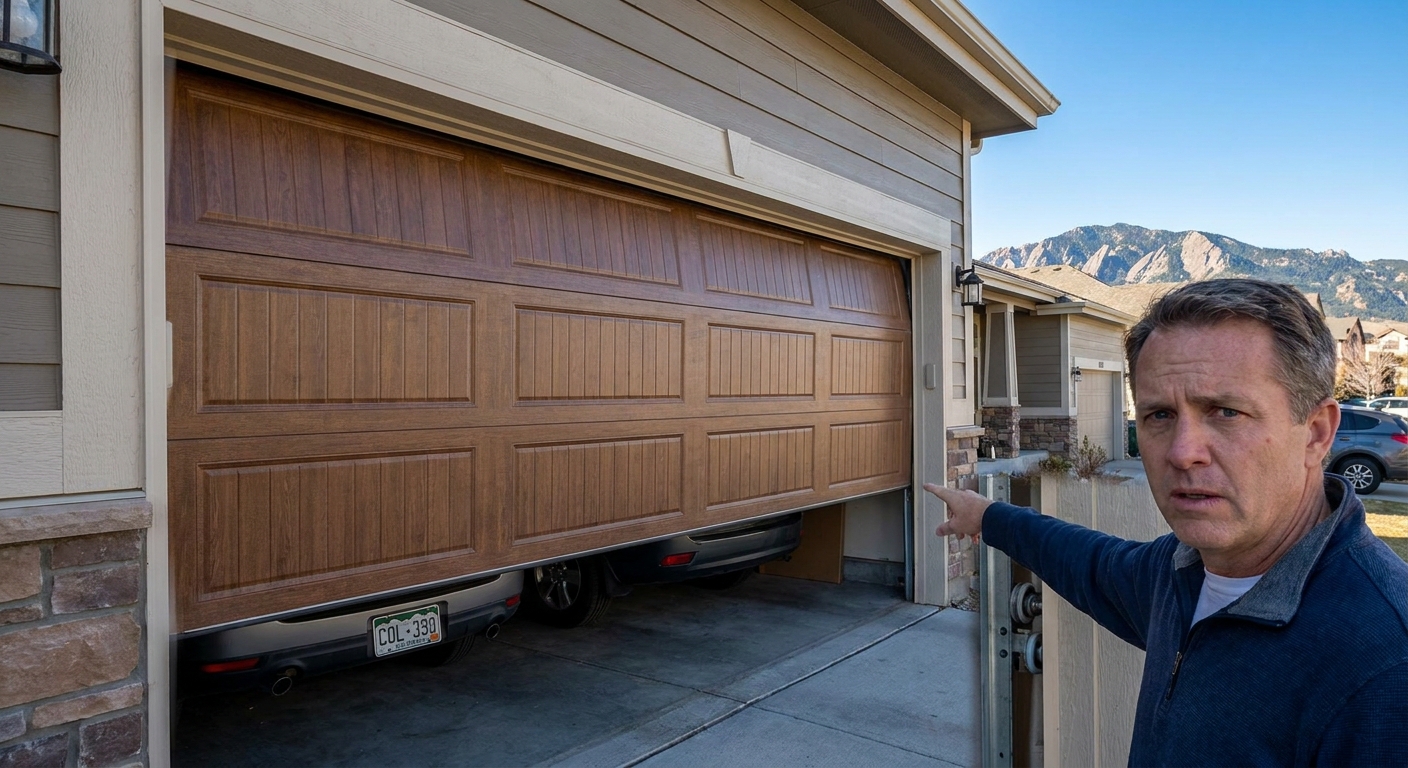
Why Is Your Garage Door in Dallas-Fort Worth Shaking When It Opens?
September 17, 2026
-
Should You Replace Both Garage Door Springs in Denver at Once?
September 3, 2026
-
Why Does Your Garage Door in Denver Close & Then Reopen?
August 20, 2026
-
Can You Open a Garage Door in Denver During a Power Outage?
August 6, 2026
-