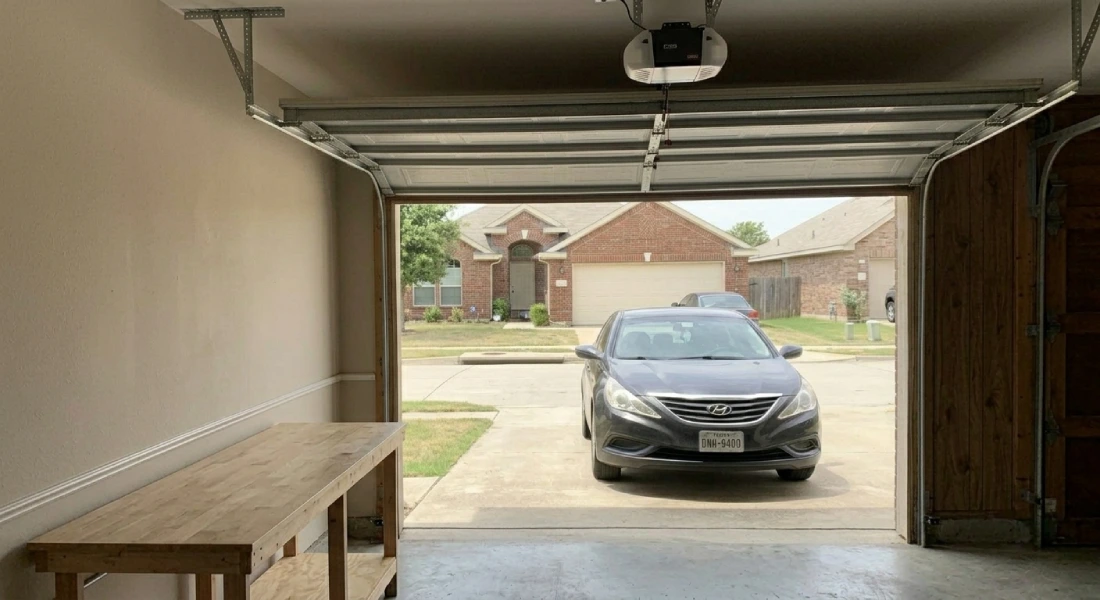


What to Do When Your Garage Door in Dallas Won’t Open All the Way
Most Dallas homeowners think garage doors are simple. Push a button, watch it rise. But when that door stops halfway up and refuses to budge, you're not dealing with a minor hiccup. You're staring at a system that's trying to tell you something went wrong — and if you ignore it, you're asking for a bigger repair bill down the line. Doors don't quit for no reason. There's always a cause, and finding it fast means the difference between a quick fix and a weekend stuck in the driveway.
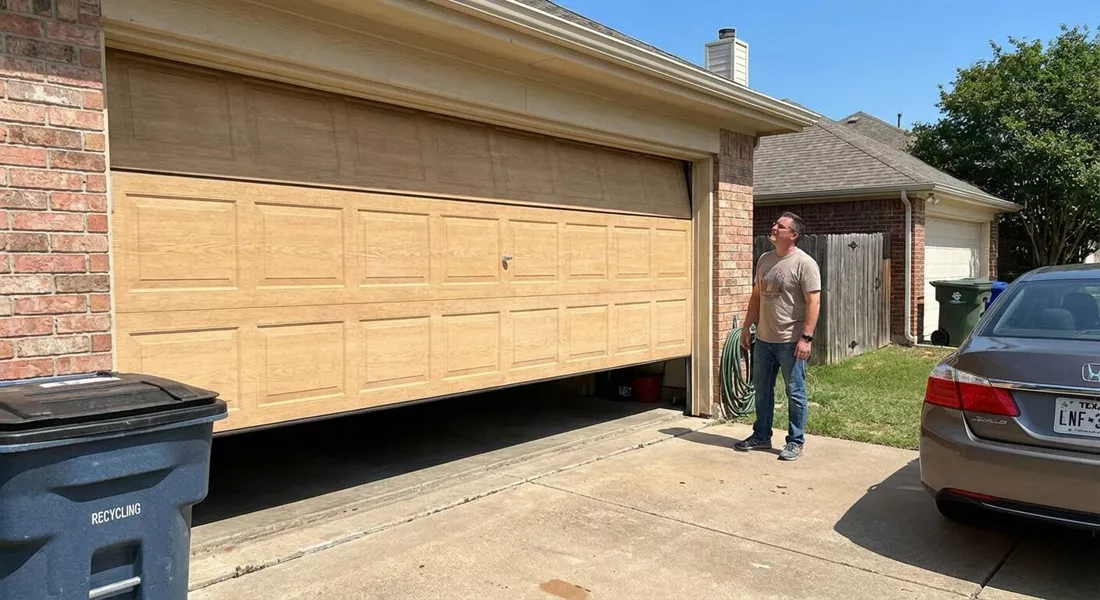
So here's what matters. If your door won't complete its cycle, don't force it. Don't keep hitting the button hoping it magically cooperates. Every failed attempt puts more strain on the opener, the springs, and the tracks. Instead, work through the system methodically. Check the obvious stuff first, then dig deeper if needed. And if you hit a wall, bring in someone who knows what they're doing before you turn a fixable issue into a full replacement.
Something's Blocking the Path
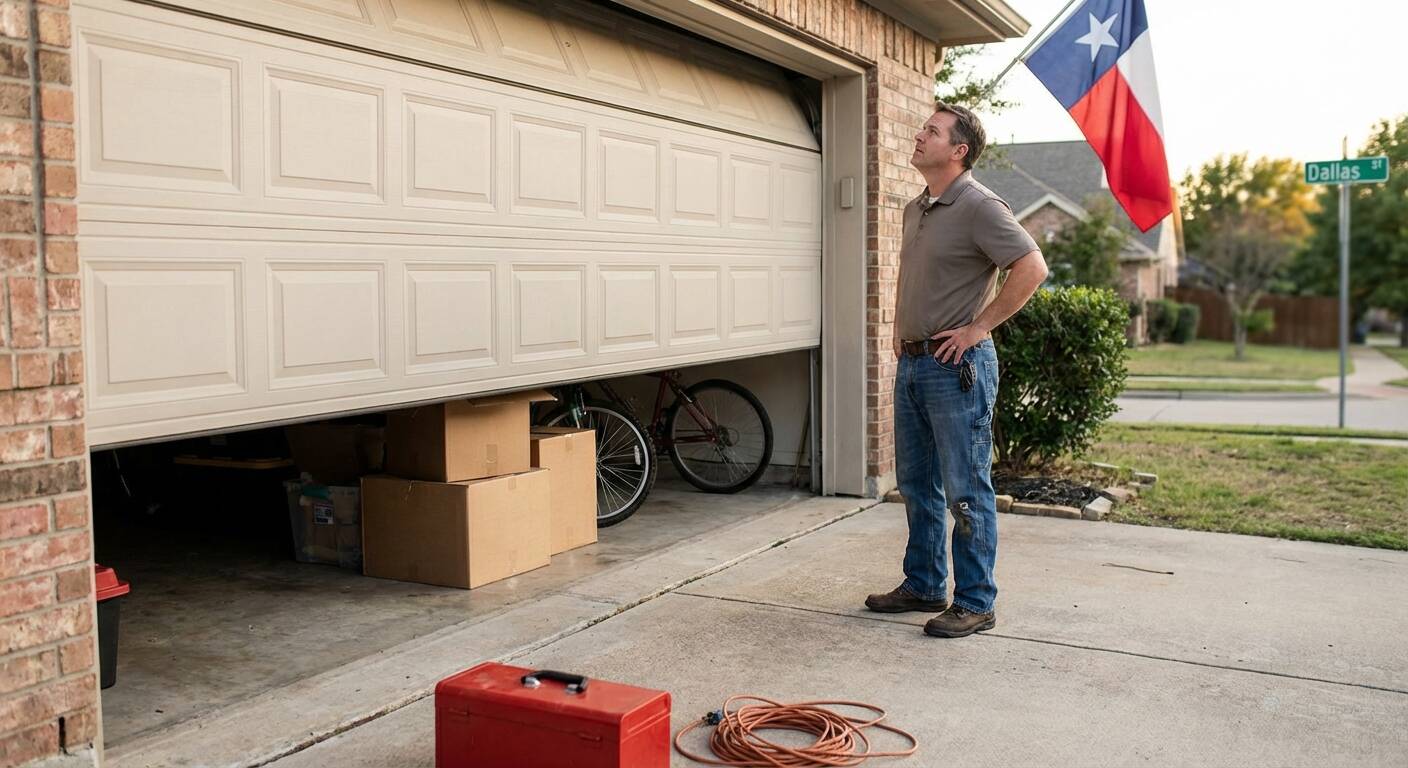
Before you assume the worst, scan the area around your door. Bikes leaning against the frame, storage bins creeping into the track zone, even a stray garden hose can stop a door cold. The sensors near the floor are designed to halt movement when they detect an obstruction, and they don't care if it's a cardboard box or a two-ton SUV. Clear the space completely and try again.
If the door still won't budge, look closer at the tracks themselves. Dirt, grease, and grime build up over time, especially in Dallas heat. A clogged track creates friction that the opener can't overcome. Wipe down the rails with a clean rag and check for anything wedged inside. Sometimes the smallest debris causes the biggest headaches.
Tracks and Rollers Take a Beating
Garage door tracks aren't indestructible. They bend when you back into them. They warp when the temperature swings forty degrees in a day. And when they're out of alignment, your door won't travel smoothly — or at all. Run your hand along the track and feel for dents or gaps. If the metal's visibly warped, that's your problem right there.
Rollers wear out too. They crack, they seize up, they lose their bearings. If you hear grinding or squealing when the door moves, the rollers are probably shot. Lubricate them with a silicone spray and see if that helps. If they're still sticking, replacement is the only real fix. Don't skip this step — bad rollers put extra load on the opener and shorten its lifespan.
Opener Limits Aren't Set Right
Your garage door opener has limit switches that tell it how far to travel. If those settings drift — and they do, especially after a power surge or a manual adjustment — the door stops short of fully open. You'll find the limit screws on the opener unit itself, usually labeled "up" and "down." Turn the up-limit screw a quarter turn clockwise and test the door. Repeat until it opens completely.
Don't crank the screw all the way in one go. Small adjustments matter here. If you overshoot, the door slams into the top of the frame and triggers the safety reverse. That's not just annoying — it can damage the opener or the door itself. Make incremental changes and test after each one.
Springs and Cables Do the Heavy Lifting
When a garage door won't open all the way, springs are often the culprit. These coiled metal components are under extreme tension, and when one breaks, the door loses the counterbalance it needs to rise. You'll know a spring is broken if you see a visible gap in the coil or if the door feels impossibly heavy when you try to lift it manually. Cables can fray or snap too, leaving the door lopsided or stuck.
Here's the part where we tell you not to touch them. Garage door springs are dangerous. They store enough energy to cause serious injury if they release unexpectedly. If you suspect a spring or cable issue, step back and call a pro. This isn't the time to save a few bucks with a YouTube tutorial. Let someone with the right tools and training handle it.
Sensors and Remotes Cause Phantom Problems
Sometimes the door itself is fine, but the opener won't cooperate. Start with the remote. Swap out the batteries and try again. If that doesn't work, check the wall-mounted button inside the garage. If the wall button works but the remote doesn't, you've got a signal issue — not a door issue.
Next, inspect the safety sensors mounted on either side of the door near the floor. These little eyes need to see each other clearly, and if they're misaligned or dirty, the door won't open fully. Wipe the lenses with a soft cloth and make sure they're pointed directly at each other. A blinking light on the sensor usually means something's off. Adjust the brackets until the light stays solid.
Dallas Weather Plays a Role
Extreme heat expands metal. Cold snaps contract it. Humidity swells wooden door panels. All of this affects how your garage door operates. In summer, the tracks can warp slightly, creating just enough friction to stop the door mid-cycle. In winter, moisture can freeze the door to the concrete, making it impossible for the opener to lift it.
If you suspect weather is the issue, give the door a manual test. Disconnect the opener by pulling the release cord and try lifting the door yourself. If it moves smoothly, the problem's with the opener. If it's stuck or heavy, the door itself needs attention. Clear away any ice, check for swollen panels, and let the system acclimate before trying again.
A Quick Reset Can Clear the Glitch
Electronics hiccup. Openers freeze. Sometimes all it takes is a hard reset to get things moving again. Unplug the opener from the outlet, wait thirty seconds, then plug it back in. This clears the memory and forces the system to recalibrate. It's the garage door equivalent of turning it off and on again — and it works more often than you'd think.
If the reset doesn't help, check the circuit breaker. A tripped breaker cuts power to the opener, and you won't get anywhere until you flip it back. Look for any signs of electrical issues like burnt smells or flickering lights. If you find those, call an electrician before you call a garage door tech.
When to Stop and Call Someone
There's a point where DIY stops being smart and starts being risky. If you've checked the tracks, tested the sensors, adjusted the limits, and the door still won't open, you're beyond basic troubleshooting. Garage door systems are heavy, complex, and unforgiving. Springs can snap. Cables can whip. Openers can short out. None of that is worth the risk of doing it yourself.
A qualified technician in Dallas can diagnose the issue in minutes and fix it safely. They've got the tools, the training, and the insurance to handle whatever's wrong. Don't wait until the door falls off the tracks or the opener burns out completely. Get it looked at now, while the fix is still straightforward.
- Broken springs or frayed cables require professional repair
- Bent tracks need realignment or replacement
- Worn-out rollers should be swapped before they seize
- Opener motor issues often need specialized parts
- Electrical problems demand licensed expertise
Keep Your System Running Smooth
Once you've got the door working again, don't let it slide back into neglect. Lubricate the moving parts every few months. Tighten loose bolts. Test the safety features. A little regular garage door maintenance goes a long way toward preventing the next breakdown.
And if you're not sure what to check or how often, ask the tech who fixes your door. Most pros will walk you through basic upkeep and point out warning signs before they become emergencies. That's the kind of advice that saves you money and keeps your door running for years.
- Lubricate rollers, hinges, and tracks quarterly
- Test the door balance by disconnecting the opener and lifting manually
- Inspect springs for gaps or rust
- Clean sensor lenses monthly
- Check weatherstripping for cracks or gaps
What Happens If You Ignore It
A door that won't open all the way isn't just inconvenient. It's a security risk. It leaves your garage exposed, your belongings vulnerable, and your home less protected. And the longer you wait, the worse the underlying problem gets. A misaligned track becomes a bent track. A worn roller becomes a broken roller. A struggling opener becomes a dead opener.
Fixing it now costs less than fixing it later. That's not a scare tactic — it's just how mechanical systems work. Small issues compound. Parts wear faster when they're compensating for something else that's broken. And when the whole system finally gives out, you're looking at a much bigger bill than you would've faced if you'd acted sooner.
- Delayed repairs increase total cost
- Worn parts damage other components
- Security risks grow with every failed cycle
- Openers burn out faster under strain
- Full replacements become necessary when neglect goes too far
Documentation Saves You Headaches
If your door's under warranty or you're filing an insurance claim, you'll need records. Take photos of the damage. Save receipts from any repairs. Note when the problem started and what you've tried. This isn't overkill — it's covering your bases. Warranty claims get denied when you can't prove the issue. Insurance adjusters need evidence before they cut a check.
Even if you're not dealing with a claim, keeping a maintenance log helps. You'll know when you last serviced the door, what parts were replaced, and what to watch for next time. It's the kind of boring paperwork that pays off when something goes wrong.
- Photograph any visible damage or wear
- Keep receipts for all repairs and parts
- Log maintenance dates and services performed
- Document communication with repair techs
- Store warranty information in an accessible place
Don't Wait for the Door to Fail Completely
A garage door that stops halfway is giving you a warning. It's telling you something's wrong before the whole system crashes. Listen to it. Address the issue now, while you've still got options. Because once the door won't move at all, you're stuck — literally. And that's when the real inconvenience starts.
We've seen too many Dallas homeowners put off repairs until the door's completely dead. By then, the fix is more expensive, the wait is longer, and the frustration is through the roof. Don't be that person. Take action when the problem's still manageable, and you'll save yourself time, money, and a whole lot of hassle.
- Early intervention prevents total failure
- Small repairs cost less than emergency service
- Proactive maintenance extends system lifespan
- Waiting turns minor issues into major ones
- A functioning door protects your home and your schedule
If you're dealing with a stubborn garage door in Dallas that won't open all the way, don't let it turn into a bigger problem. Whether it's garage door spring repair, garage door repair in Dallas Fort Worth, or a complete garage door installation, Retrak Door Service has the expertise to get your door working safely and reliably. Contact us today for fast, professional service you can count on.
Let’s Get Your Garage Door Back on Track
We know how frustrating it is when your garage door refuses to cooperate, and you shouldn’t have to deal with the hassle alone. Let’s tackle the problem together and restore your peace of mind. Give us a call at 817-973-5650 to speak with our team, or book an appointment and we’ll make sure your garage door is working smoothly again in no time.
‹ Back
Recent Posts
-
Why Is Your Garage Door in Dallas-Fort Worth Shaking When It Opens?
September 17, 2026
-
Should You Replace Both Garage Door Springs in Denver at Once?
September 3, 2026
-
Why Does Your Garage Door in Denver Close & Then Reopen?
August 20, 2026
-
Can You Open a Garage Door in Denver During a Power Outage?
August 6, 2026
-