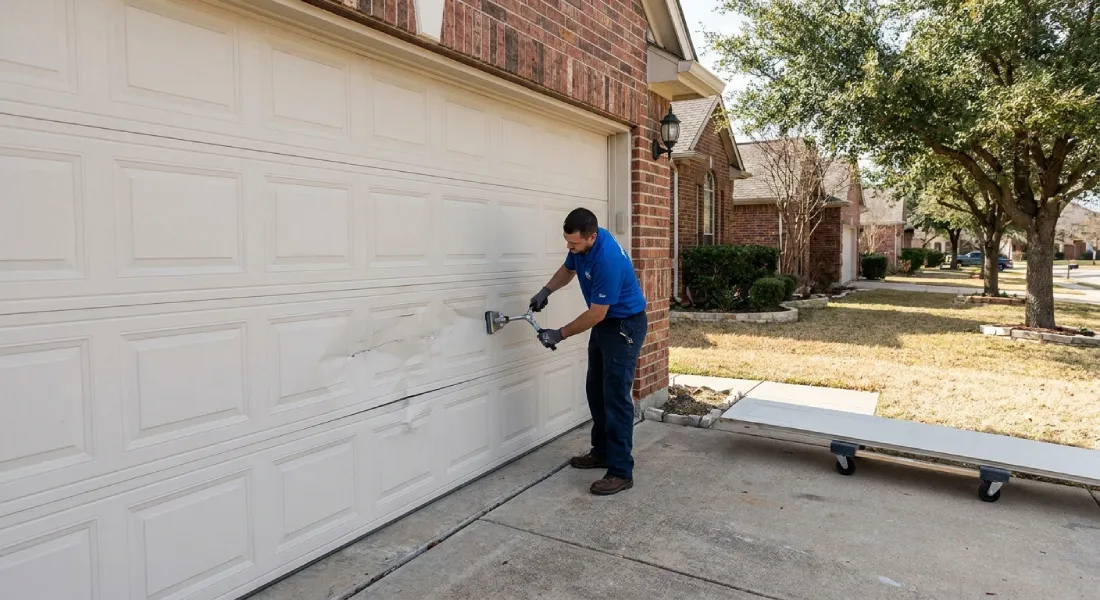


Is Your Garage Door in Denver Safe for Kids & Pets?
Most Denver homeowners worry about locks, alarms, and fences. But the garage door? That's where the blind spot lives. It's the biggest moving piece of machinery in your house, and if it's not dialed in, it's a hazard waiting to happen. Kids see it as a game. Pets dart through without thinking. And one malfunction can turn a routine day into an emergency room visit.
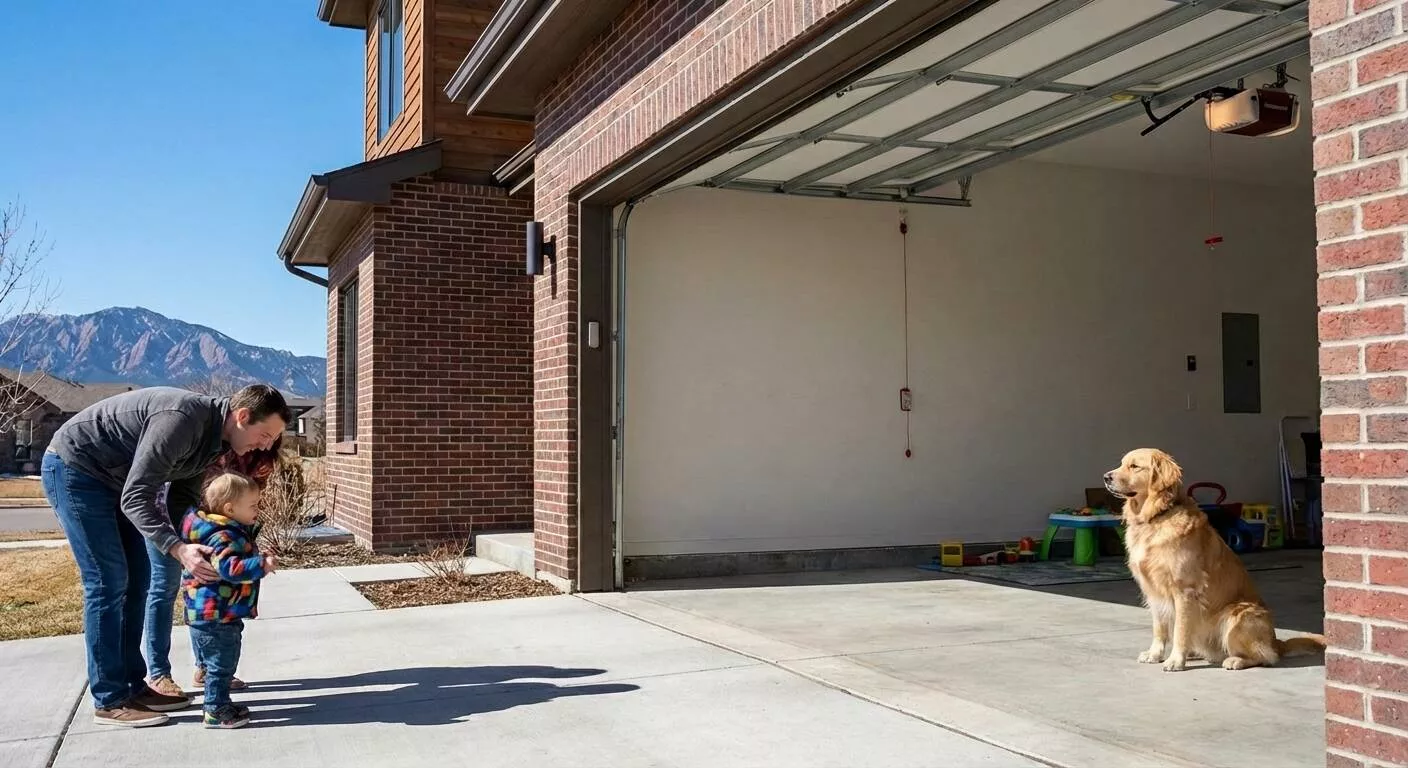
So here's what matters. If your door doesn't have modern safety gear — or if you haven't tested it in months — you're rolling the dice. Every cycle should be predictable. Every sensor should work. And every household member should know what not to do when that door's in motion.
The Weight and Speed Problem
Garage doors aren't light. Most weigh between 150 and 400 pounds, and they move fast enough to cause real damage. A child's hand, a pet's paw, or even an adult's foot can get caught in seconds. The mechanism doesn't care what's in the way unless it's been told to.
That's why older systems are the riskiest. If your door was installed before the early '90s, it probably lacks the sensors and auto-reverse features that became standard later. And even newer doors can fail if they're not maintained. Springs wear out. Sensors drift out of alignment. Cables fray. None of that announces itself until something goes wrong, which is why understanding garage door safety hazards is critical for every homeowner.
What Your Door Should Have
Modern garage doors come loaded with features designed to stop accidents before they start. If yours doesn't have these, it's time to upgrade or retrofit. Here's what we look for:
- Auto-reverse on contact: The door should reverse the instant it touches something solid. Test it with a cardboard box or a roll of towels. If it doesn't bounce back immediately, the system's out of spec.
- Photoelectric eyes: These sit a few inches off the ground on either side of the door. Break the beam while closing, and the door should stop and reverse. Dirt, misalignment, or a blown sensor kills this protection.
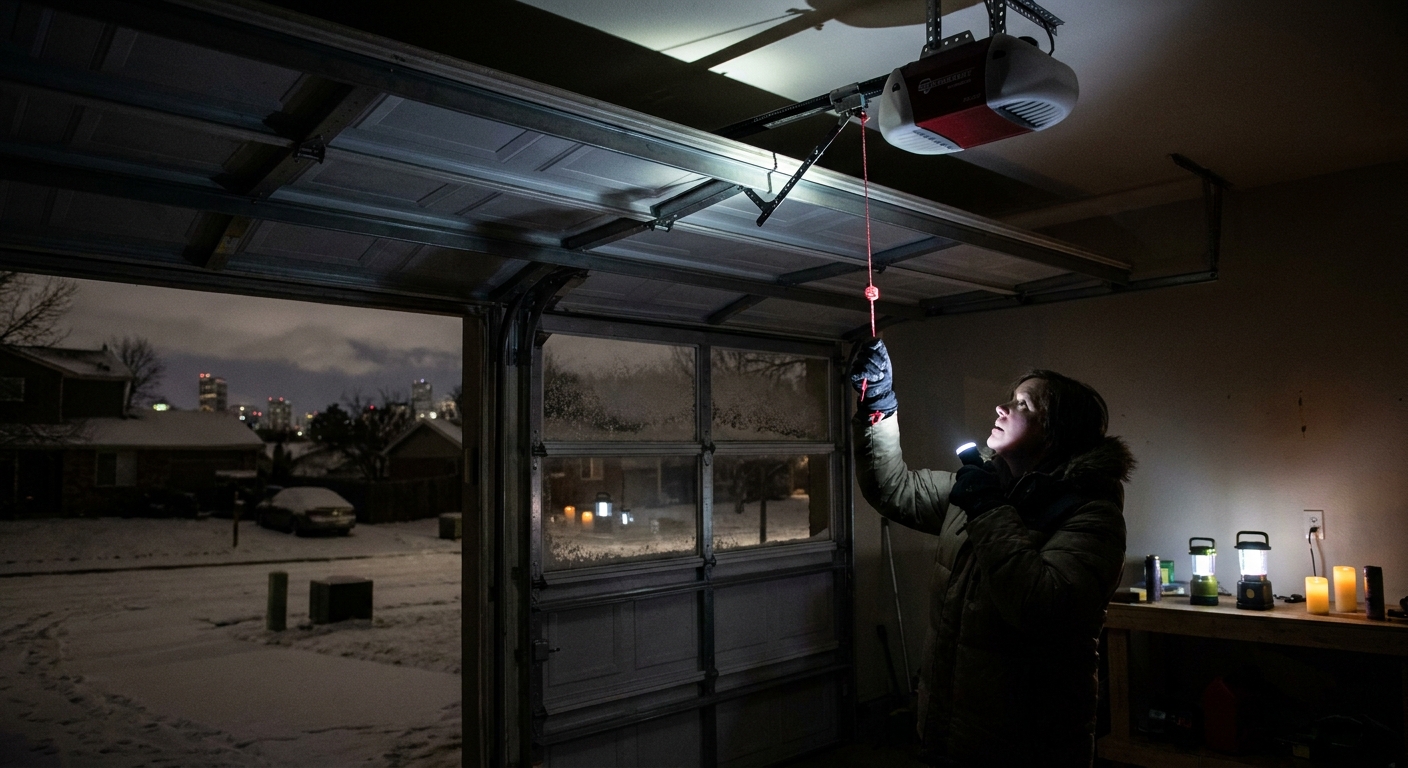
- Manual release that's accessible: In a power outage or emergency, you need to disengage the opener and lift the door by hand. Make sure everyone in the house knows where that red handle is.
- Pinch-proof panel design: Older doors have gaps between panels that can trap fingers. Newer models use designs that eliminate those pinch points entirely.
- Tamper-resistant brackets: The bottom bracket holds the spring under serious tension. If it's not secured properly, it can snap loose and cause injury. This isn't a DIY fix.
Testing Takes Minutes, Injuries Last Longer
You can't assume your safety features are working just because the door opens and closes. We recommend monthly tests — quick checks that take less time than brewing coffee.
Start with the auto-reverse. Place an object in the door's path and hit the close button. If the door doesn't reverse on contact, adjust the force settings or call a tech. Next, test the sensors. Wave your hand through the beam while the door's closing. It should stop and reverse instantly. If it doesn't, clean the lenses and check the alignment. If it still fails, you may need to address common garage door sensor issues or replace the sensors.
- Balance check: Disconnect the opener and lift the door halfway. It should stay put. If it drops or shoots up, the springs need adjustment.
- Visual inspection: Look for frayed cables, rusted springs, loose bolts, and worn rollers. Any of these can lead to failure.
- Listen for noise: Grinding, scraping, or squealing means something's binding or wearing out. Don't ignore it.
- Lubricate moving parts: Hinges, rollers, and tracks need regular lubrication to reduce friction and extend life.
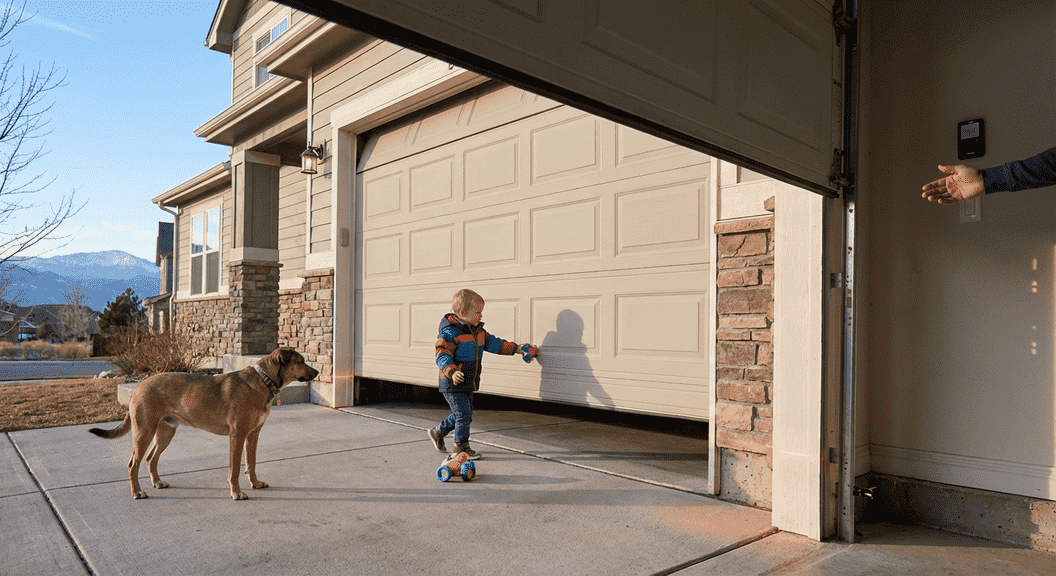
Kids Don't Know What Can Go Wrong
Children see the garage as an extension of the play area. They don't understand the weight, the speed, or the consequences. That's on us to manage.
Keep remotes out of reach. Wall-mounted controls should be installed at least five feet off the ground — high enough that small kids can't reach them. Teach your children that the garage door isn't a toy and that they should never stand under it or try to race through while it's moving. Supervision is non-negotiable. If kids are playing near the garage, someone needs to be watching.
- Lock the interior door: If your garage connects to the house, keep that door locked when the garage is in use. It adds a layer of separation.
- Remove step stools: Don't leave anything near the wall control that a child could use to reach it.
- Explain the sensors: Show older kids where the sensors are and why they shouldn't block them or play around them.
- Set clear rules: No one goes in or out while the door is moving. No exceptions.
Pets Move Fast and Don't Look Up
Dogs and cats don't wait for the door to finish opening. They see a gap and they go. That's how accidents happen. A descending door can strike a pet before the sensors even register movement, especially if the animal is low to the ground or moving quickly.
If your pets use the garage regularly, consider installing a pet door. It eliminates the temptation to dart under the main door. You can also train your pets to wait until the door is fully open before entering or exiting. It takes repetition, but it works.
- Keep the area clear: Toys, food bowls, and other pet items shouldn't be near the door's path.
- Use a barrier: A baby gate or pet gate can keep animals away from the door while it's in motion.
- Watch for sensor height: Some smaller pets can slip under the sensor beam. If that's the case, consider adding a second set of sensors or upgrading to a system with a wider detection range.
When DIY Stops Being Smart
There's plenty you can do yourself — testing sensors, lubricating parts, tightening bolts. But some repairs are dangerous if you don't know what you're doing. Springs are under extreme tension and can cause serious injury if they snap during adjustment. Cables can whip loose and cut through skin. Bottom brackets can explode if removed incorrectly.
If your door is out of balance, making strange noises, or failing safety tests, bring in a professional. Denver has plenty of qualified techs who can diagnose problems, replace worn parts, and install modern safety features. When you need garage door repair in Denver, it's not worth the risk to save a few bucks. For issues specifically related to garage door spring repair, professional service ensures the job is done safely and correctly.
Protecting What Matters Most
Your garage door does its job every day without much thought. But the moment it becomes a threat to your kids or pets, it's no longer just a convenience — it's a liability. The fixes aren't complicated. The upgrades aren't expensive. And the peace of mind is worth every minute you spend making sure that door works the way it should. Investing in regular garage door maintenance ensures your system stays safe and reliable. Denver winters are tough enough without worrying whether your garage is a safe space or a danger zone.
Let’s Make Your Garage Door Safer Together
We all want our homes to be safe havens for our families and pets. If you’re unsure about your garage door’s safety features or just want a professional eye to make sure everything’s working as it should, let’s connect. Give us a call at 303-902-8840 to talk with our team, or book an appointment and we’ll help you keep your garage door safe and worry-free.
‹ Back
Recent Posts
-
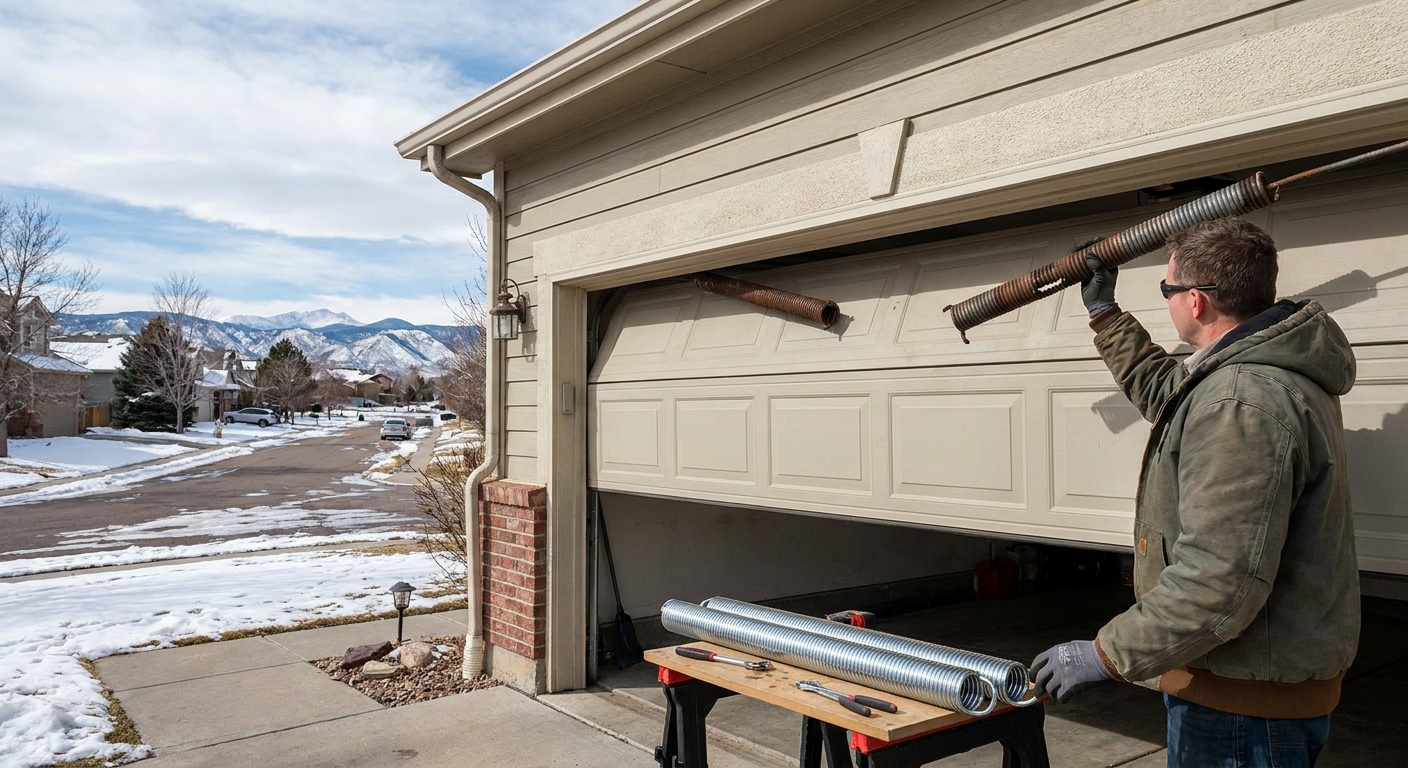
Should You Replace Both Garage Door Springs in Denver at Once?
September 3, 2026
-
Why Does Your Garage Door in Denver Close & Then Reopen?
August 20, 2026
-
Can You Open a Garage Door in Denver During a Power Outage?
August 6, 2026
-
-