


Can Cold Weather Cause Garage Door Springs in Denver to Break?
Most Denver homeowners worry about frozen pipes and icy driveways when winter hits. But garage door springs? Those don't cross anyone's mind until one snaps at 6 a.m. on a Tuesday. And when it happens, it's not subtle. You'll hear it. You'll feel it. And you'll be stuck with a 200-pound door that won't budge and a commute that just got complicated.
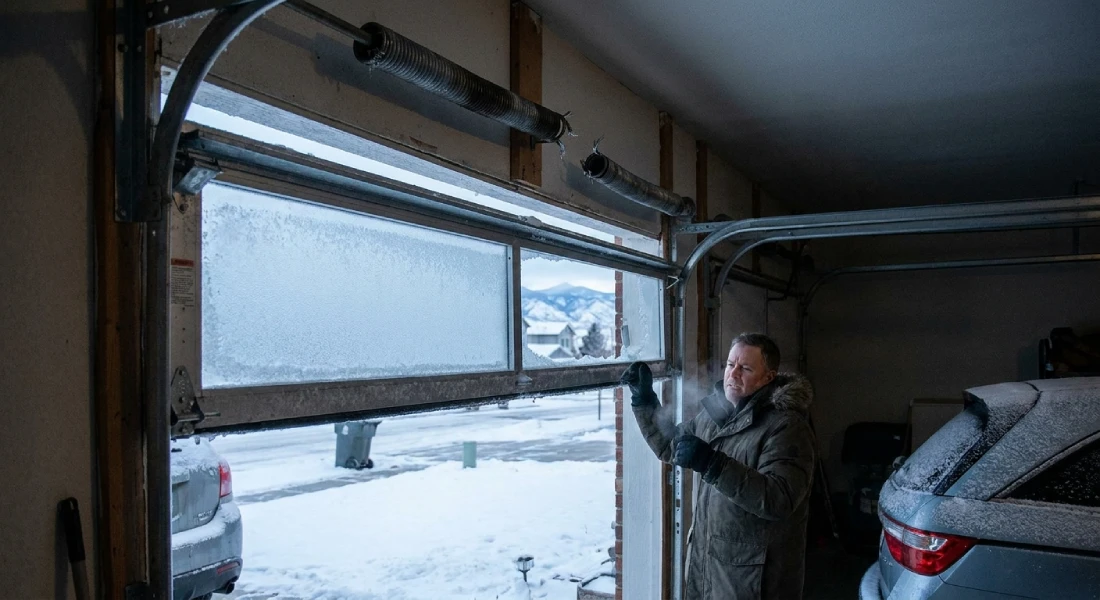
Cold weather doesn't just make your garage uncomfortable—it puts real stress on the metal components holding your door together. Springs contract. Lubricants thicken. Tension spikes. And if those springs were already worn down from years of daily cycles, winter becomes the breaking point. Literally.
Metal Doesn't Like the Cold
Garage door springs are wound tight, designed to lift hundreds of pounds with precision. But metal has limits. When temperatures drop below freezing—which happens frequently in Denver—the steel contracts and loses flexibility. What was once durable becomes brittle. Small cracks that formed over time suddenly widen under the added strain of a cold morning lift.
It's not just about one cold night, either. The constant expansion and contraction from day-to-night temperature swings wears the material down faster than you'd think. A spring that might have lasted another year in a milder climate could fail halfway through a Denver winter simply because the metal couldn't keep up with the thermal stress.
Lubricant Turns Into Sludge
Most people assume garage door maintenance ends after installation. It doesn't. Springs need lubrication to reduce friction and move smoothly. But when temperatures plummet, that lubricant thickens into something closer to paste. The springs have to work harder. The motor has to push more. And every cycle chips away at the lifespan you thought you had left.
If your garage isn't heated or insulated, the problem gets worse. Unprotected springs face the full force of winter air, and the cold penetrates faster than most homeowners realize. By the time you notice the door struggling, the damage is already underway.
Warning Signs You Shouldn't Ignore
Springs don't break without notice. They give you clues—sometimes subtle, sometimes loud. If you're paying attention, you can catch the problem before it leaves you stranded. Ignoring those signs, though, guarantees you'll be dealing with a garage door spring repair in Denver at the worst possible moment.
- The door feels heavier than usual when you lift it manually
- You hear grinding, squeaking, or scraping noises during operation
- The door moves unevenly or jerks as it opens or closes
- You notice visible gaps or separation in the coiled spring
- The opener struggles or gives up halfway through the cycle
How to Keep Springs From Failing
You can't stop winter from arriving, but you can reduce the odds of a breakdown. Regular garage door maintenance isn't glamorous, but it's the difference between a door that works and one that leaves you stuck in the driveway. A little effort in the fall can save you from a frustrating repair bill in January.
- Schedule a professional inspection before temperatures drop
- Apply cold-weather lubricant to springs, rollers, and hinges
- Insulate your garage door and walls to buffer temperature swings
- Test the door's balance monthly—disconnect the opener and lift manually
- Replace springs that are seven years old or older before winter hits
Don't Try to Fix It Yourself
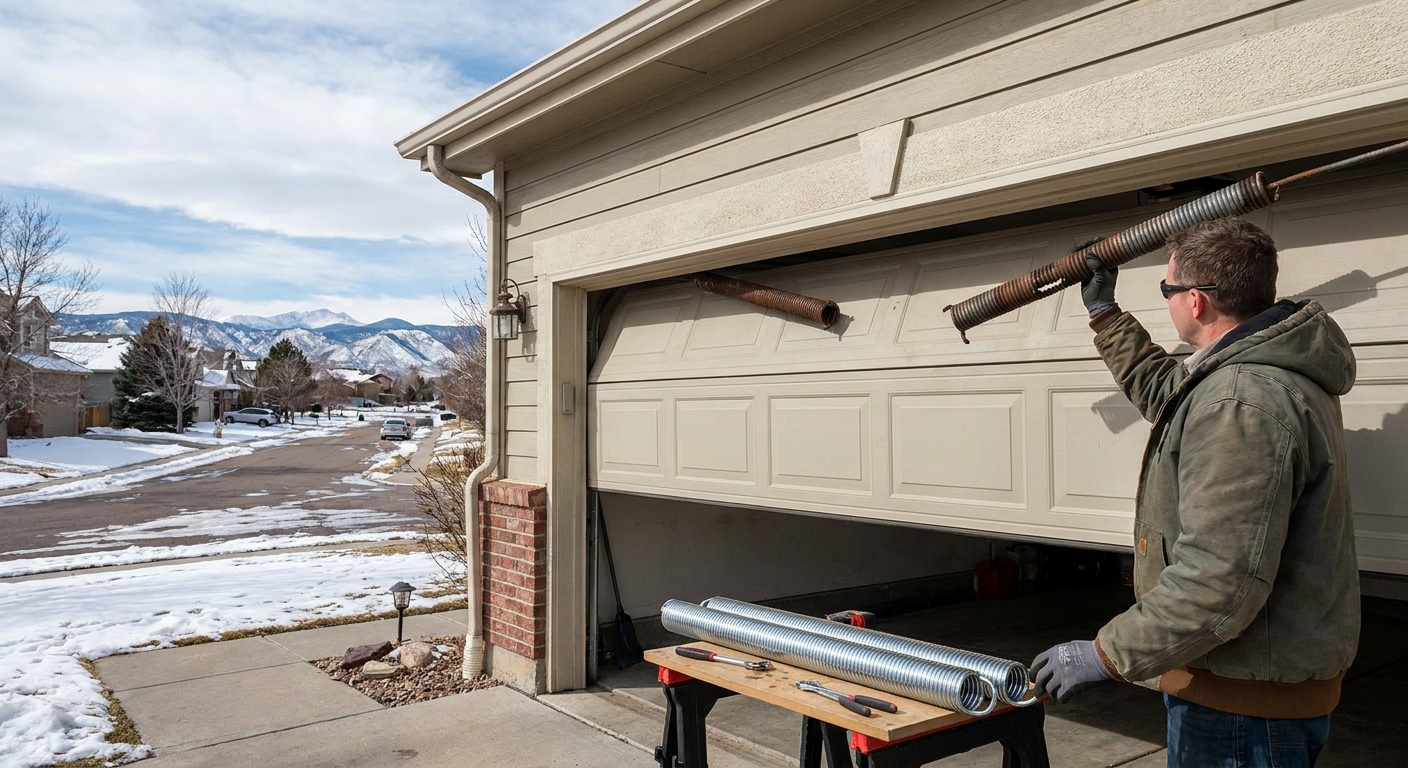
Garage door springs are under extreme tension. We're talking hundreds of pounds of stored energy. When one breaks, it releases violently. Trying to replace it without the right tools or training can result in serious injury—broken bones, lacerations, or worse. This isn't a YouTube tutorial situation.
Call a professional. They have the equipment to release and reset the tension safely. They know how to match the right spring to your door's weight and size. And they can spot other issues—like worn cables or misaligned tracks—that you might miss. Saving a few bucks isn't worth the risk.
Insulation Buys You Time
An insulated garage won't prevent spring failure forever, but it does reduce the thermal stress that accelerates wear. Even a few degrees of buffer can make a difference. Insulated garage doors also operate more quietly and help keep your home's heating costs down, so the investment pays off beyond just spring longevity.
If a full insulation upgrade isn't in the budget, focus on sealing gaps around the door and adding weatherstripping. It's not a complete solution, but it's better than leaving your springs fully exposed to Denver's harshest nights.
Age Matters More Than You Think
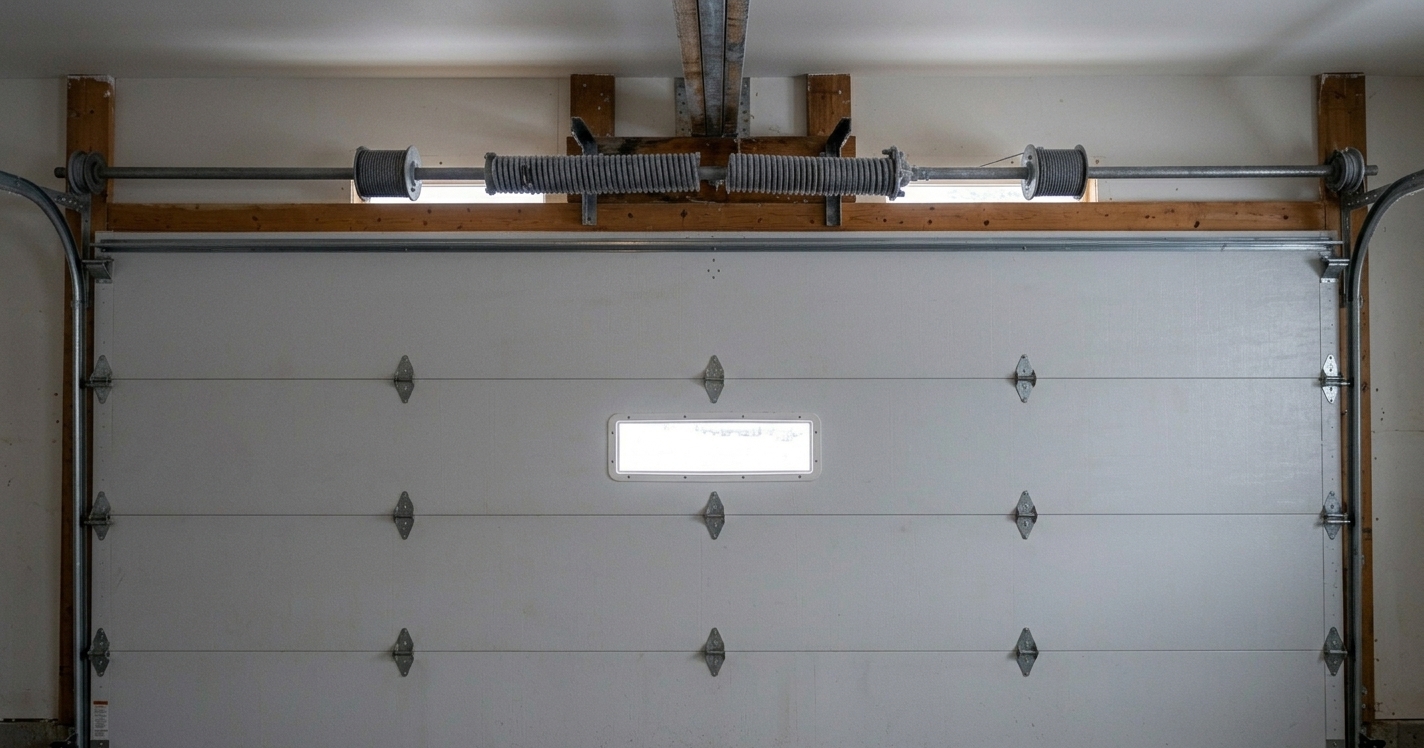
Most garage door springs are rated for 10,000 to 15,000 cycles. If you open and close your door four times a day, that's roughly seven to ten years of use. After that, you're living on borrowed time. Cold weather just speeds up the inevitable. If your springs are older than a decade, don't wait for them to fail—replace them proactively.
- Torsion springs typically last longer than extension springs
- Heavy doors wear springs out faster due to increased load
- Frequent use shortens lifespan, especially in commercial or multi-car setups
- Springs installed in unheated garages age faster than those in climate-controlled spaces
What Happens After a Break
Once a spring snaps, your garage door becomes a giant paperweight. The opener motor isn't strong enough to lift the door without the springs doing most of the work. You might be able to manually force it open, but that's risky and can damage the door or the tracks. Better to leave it closed and call for garage door services.
Most pros can replace springs the same day if you catch them early. But if you're calling during a cold snap when half of Denver is dealing with the same issue, you might be waiting. That's why catching the warning signs early—and replacing aging springs before winter—is the smarter play.
Keep Records, Save Headaches
Know when your springs were installed. Keep the paperwork from any repairs or replacements. Track how old your door is and how often it's used. This information helps technicians diagnose problems faster and ensures you're not replacing parts prematurely or waiting too long. It also makes warranty claims smoother if something fails earlier than expected.
- Log the installation date of your current springs
- Note any maintenance or lubrication performed
- Track unusual noises or performance changes
- Save receipts and service records in a dedicated file
- Set a calendar reminder for annual inspections
Denver Winters Demand Respect
Cold weather absolutely causes garage door springs to break. The science is clear, and the repair calls spike every winter to prove it. But breakdowns aren't inevitable if you treat your garage door like the heavy-duty machine it is. Garage door spring repair, timely replacements, and a little attention to detail go a long way. And when something does go wrong, don't gamble with a DIY fix. Get it handled right, stay safe, and keep your mornings running smoothly—even when the thermometer drops below zero.
Let’s Get Your Garage Door Ready for Winter
We know how unpredictable Denver winters can be, and we’re here to make sure your garage door springs don’t leave you stranded when the cold hits. If you’ve noticed any warning signs or just want peace of mind before the next freeze, let’s take care of it together. Give us a call at 303-902-8840 or book an appointment and we’ll help keep your garage door running strong all season long.
‹ Back
Recent Posts
-
-
Why Is Your Garage Door in Dallas-Fort Worth Shaking When It Opens?
September 17, 2026
-
Should You Replace Both Garage Door Springs in Denver at Once?
September 3, 2026
-
Why Does Your Garage Door in Denver Close & Then Reopen?
August 20, 2026
-
Can You Open a Garage Door in Denver During a Power Outage?
August 6, 2026